

Top 10 Best Selling GameBoy Advance Games of All Time
Picture this: it’s 2003, the radio is over-playing “Hey Ya!,” flip-phones are still a flex, and that brand-new indigo GameBoy Advance is glued to your palms. You’re sprawled across a creaky porch swing, cicadas screaming backup vocals while the sun bakes the plastic buttons just shy of uncomfortable. Your best friend’s link-cable snakes between you, making the whole setup look like a life-support rig for pixel junkies. Every neighborhood kid either had a GBA or desperately bartered Pokémon cards to borrow one. Back seats of minivans became two-hour tournaments, and fluorescent toy-aisle lights felt like spotlights on whatever cartridge you begged your parents to grab. It was pure, uncomplicated bliss—the kind you can practically taste when you hear that iconic “ba-ding” start-up chime. Keep that memory handy while we count down the best selling GameBoy Advance games ever to land in American households. Ready? Let’s peel back the cardboard flap and see what made the Top 10.

#10 – Mario & Luigi: Superstar Saga
U.S. Release: November 17, 2003
U.S. Copies Sold: ≈1.0 million
Before Bowser had an inside story—or a decent dental plan—the bros. jetted to the Beanbean Kingdom for an RPG romp that felt equal parts Saturday-morning cartoon and dad-joke showcase. Superstar Saga slipped humor, timed-button battles, and shared HP bars into our pockets, letting us literally twirl the brothers like pizza dough. The script was so self-aware it practically winked at you every five minutes. And that overworld theme? Still ear-worming through retro playlists today.
What Made This Game A Hit in the American Household
Two words: tag-team. Players juggled hammer whacks and synchronized jumps, finally giving Luigi equal spotlight. Add laugh-out-loud dialogue and a road-trip vibe, and families passed the cartridge around like chips ’n salsa at a cookout.
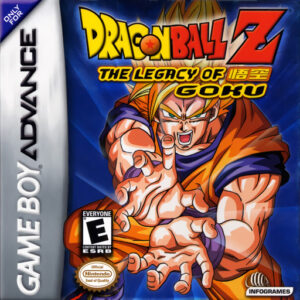
#9 – Dragon Ball Z: The Legacy of Goku
U.S. Release: May 13, 2002
U.S. Copies Sold: ≈1.1 million
Every lunch-table argument about power levels hit pause when this cartridge showed up. Sure, the sprites were chibi and Frieza looked like a cranky marshmallow, but guiding Goku from Raditz to Namek on a handheld felt revolutionary. Energy beams drained Ki faster than your AA’s, and yes, you spent half the game rescuing Farmer-With-Shotgun-type NPCs. Didn’t matter. You could finally “Kamehameha” on the go—no dial-up forums required. Mom said, “Turn it off at dinner,” and you whispered, “Sorry, Earth needs me.”
What Made This Game A Hit in the American Household
DBZ mania was peaking on Toonami, so the game sold itself. Kids wanted to reenact episodes, parents saw a $30 birthday-party lifesaver, and everyone agreed the cartridge was cheaper than collecting all those action figures.
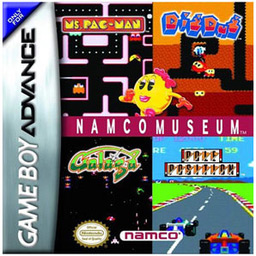
#8 – Namco Museum
U.S. Release: August 26, 2001
U.S. Copies Sold: ≈1.2 million
Talk about culture clash—Pac-Man ’80 meets Britney ’01. This compilation packed Galaga, Dig Dug, Ms. Pac-Man, and more into a single tiny shell, basically turning the GBA into a mobile arcade cabinet. Grandpa could clear a Centipede board, hand the system to you, and you’d pop right into Rally-X without missing a beat. No story, no save files, just score-chasing bragging rights scribbled on notebook margins.
What Made This Game A Hit in the American Household
Multiple classics on one cart meant value. Parents recognized the titles, kids discovered quarter-munchers risk-free, and road trips suddenly had built-in generational bonding—zero Wi-Fi required.

#7 – Super Mario Advance 4: Super Mario Bros. 3
U.S. Release: October 21, 2003
U.S. Copies Sold: ≈1.8 million
The Tanooki Suit took flight again—this time in full-color backlit glory (if you’d snagged the SP). SMA4 wasn’t just a port; e-Reader cards added secret levels, making the playground a stock market of dot-code trading. One kid had World-e 1-4? You’d swap snack cakes for a swipe. Even without the add-ons, sliding down those giant block hills in Giant Land was straight-up serotonin.
What Made This Game A Hit in the American Household
Nostalgic parents plus new-school kids equaled double-dip sales. The familiar overworld map felt comfortingly retro, while e-Reader gimmicks kept collectors hunting. Everyone loves a flying raccoon—simple math.
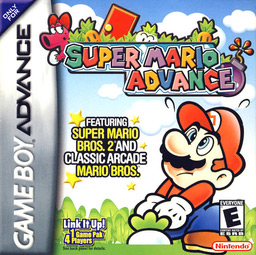
#6 – Super Mario Advance
U.S. Release: June 11, 2001
U.S. Copies Sold: ≈2.0 million
Day-one GBA adopters grabbed this launch title because, well, choices were slim. Yet the oddball veggies-and-Shy-Guys dreamscape of Super Mario Bros. 2 (plus the OG Mario Bros. arcade) felt fresh again in handheld form. Pulling turnips on the bus had never been socially acceptable until now. Brightened graphics showcased what the 32-bit little beast could do, and Birdo’s “pew-pew” egg spits became a rite of passage for first-time platformers.
What Made This Game A Hit in the American Household
Launch-line shelves needed a must-have—we got a Mario. Parents trusted the brand, kids got portable platforming, and high-score contests in Mario Bros. had siblings trash-talking all summer.


#5 – Super Mario World: Super Mario Advance 2
U.S. Release: February 11, 2002
U.S. Copies Sold: ≈2.1 million
Yoshi’s inaugural tongue-whip on a handheld? Sign us up. This port squeezed every Cape Feather swoop, hidden exit, and star-road shortcut from the SNES classic onto that reflective, sometimes too-dark screen. Extra challenge coins gave veterans new objectives, and Luigi finally earned his higher jump stats. Good luck prying this cart away during family reunions; it practically lived inside the GBA’s slot for years.
What Made This Game A Hit in the American Household
The SNES original was legendary. Shrink it, add save-anywhere convenience, and parents immediately relived ’91 while kids learned the joy of Yoshi’s gluttony. Instant cross-generational appeal.

#4 – Mario Kart: Super Circuit
U.S. Release: August 27, 2001
U.S. Copies Sold: ≈2.4 million
No couch? No problem. Four GBAs, four link cables, one picnic table—boom, portable Rainbow Road. Super Circuit blended Mode 7-style tracks with every SNES course unlockable, creating the largest Mario Kart roster to date. Red shells still ruined friendships, but now you could shove everything into a backpack and pedal to the next cul-de-sac for round two. The rubber-band A.I. was brutal, yet snagging a feather off a jump felt like winning the lottery.
What Made This Game A Hit in the American Household
Kart racing plus portability equals gold. Multiplayer sleepovers, recess tournaments, and bragging rights traveling seamlessly from school bus to living room cemented its status.

#3 – Pokémon Emerald
U.S. Release: May 1, 2005
U.S. Copies Sold: ≈2.7 million
Emerald perfected Hoenn. One cartridge, two rival teams (Magma & Aqua), and a glorious green shell that looked like a rare candy itself. The Battle Frontier turned min-maxing into an after-school job, while wireless adapter trades meant fewer tangled cables—unless you still rocked the original GBA, of course. Rayquaza on the box convinced every eight-year-old that serpentine dragons were cooler than recess.
What Made This Game A Hit in the American Household
Upgraded everything without feeling like a cash-grab. New post-game content kept Poké-maniacs grinding, and Moms approved because reading text boxes counted as “literacy.” Win-win.


#2 – Pokémon FireRed & LeafGreen
U.S. Release: September 9, 2004
U.S. Copies Sold: ≈5.1 million
Kanto 2.0 arrived with a wireless adapter tucked inside the box—mind-blowing at the time. Suddenly, trading a Charizard for an Alakazam felt like sci-fi wizardry, no cable tether necessary. Updated sprites, the Sevii Islands, and that heart-squeeze of Professor Oak’s opening speech pulled ’90s kids right back to Pallet Town. Parents recognized the soundtrack; siblings fought over who got first crack at naming the rival “Butthead.”
What Made This Game A Hit in the American Household
It wasn’t just nostalgia—it was user-friendly. Built-in tutorials helped newcomers, wireless play hooked the tech-curious, and the bundle offered tangible value. Classic formula, modern convenience.

#1 – Pokémon Ruby & Sapphire
U.S. Release: March 19, 2003
U.S. Copies Sold: ≈6.4 million
The moment the trumpets of Littleroot Town blared, Generation III staked its claim. Double battles reinvented strategy, berries sprouted real-time, and secret bases turned every link-up into a personalized house tour. Even the internal clock felt futuristic—night, day, tides! Sure, critics whined about too much water, but we happily surfed every tile hunting Feebas. Cartridge colors—crimson red or deep sapphire blue—became personality tests before BuzzFeed made quizzes cool.
What Made This Game A Hit in the American Household
Pokémon fever never cooled, and this entry refreshed the formula just enough. Trading starters, discovering shiny Zigzagoon, and debating Team Magma vs. Aqua kept playground economics buzzing for years.
Closing: When Pocket Dreams Felt Endless
Scrolling through this list is like flipping a light switch in the memory attic. You can almost hear the faint click of shoulder buttons and smell the plastic from freshly cracked clamshell cases. These top selling GameBoy Advance games weren’t just cartridges; they were social glue, babysitters, and time machines crammed into a two-inch slot. They bridged generations—one minute Dad was chasing high scores in Galaga, the next you were EV-training a Blaziken. If reminiscing about GBA greatness sparks curiosity about 16-bit classics, our deep dive into the best-selling SNES library is waiting in the wings. And should you decide that it’s finally time to thin out the collection (no judgment), we broke down painless options in our guide on selling your video games for cash. For now, close your eyes, press Start in your mind, and let that innocent, 32-bit chime carry you back. The batteries might be dead, but the joy is fully charged.







Leave a Reply