

Top 10 Best Selling N64 Games of All Time
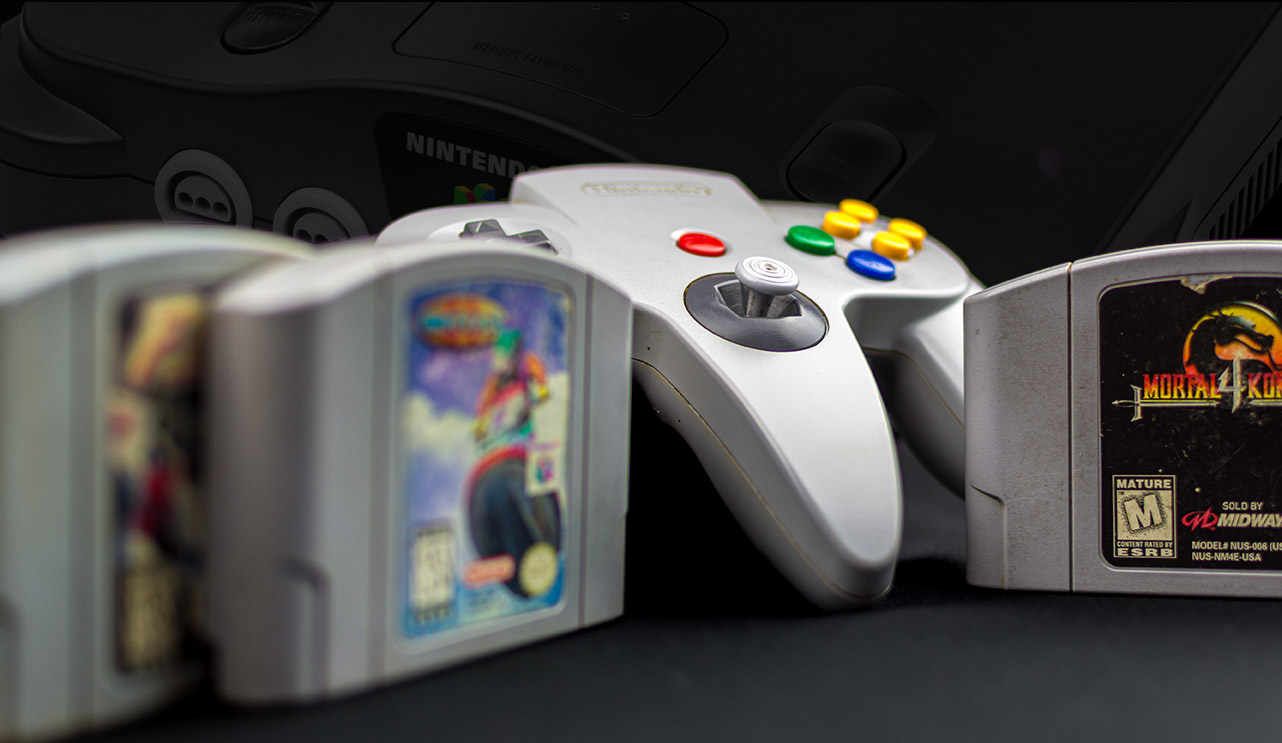
Close your eyes and picture 1998: Surge cans sweating on coffee tables, Blockbuster blue-and-yellow plastic clamshells scattered around the living room, and that unmistakable “PA‐TING!” of an N64 cartridge locking into place. We huddled on beanbags, fingers greasy from nacho-cheese Doritos, convinced polygons were the future of everything. The internet still squeaked and hissed, dial-up style, so the only “online discourse” happened in the lunch line while arguing which n64 games looked “basically real life.” Sure, we’d cut our teeth on 16-bit classics (see our quick stroll through the best-selling SNES games) but Nintendo’s charcoal-gray, trident-controller oddball felt like science fiction. Below, we’re rewinding to the ten best selling N64 games in the United States—numbers double-checked, arguments settled—so you can relive that late-’90s glow one cartridge at a time.

10. Banjo-Kazooie
U.S. Release: May 31, 1998
U.S. Copies Sold: ≈2.23 million
Rare’s bear-and-bird duo bounced out of nowhere, stuffing the “collect-a-thon” genre with more jiggies, notes, and Mumbo skulls than any rational sixth-grader could handle. Yet somehow we loved every shiny doodad. The humor? Pure playground currency. Gruntilda’s rhyming roasts carved themselves into our impressionable brains, turning even boring spelling quizzes into impromptu evil-witch recitals. Graphically, Banjo-Kazooie squeezed the N64 like a ketchup packet: lush grass, bubbling swamps, snow that actually crunched under Banjo’s stubby feet. And Grant Kirkhope’s soundtrack—equal parts Saturday-morning cartoon and hillbilly jamboree—still slaps through a CRT’s mono speaker. In an era when top selling Nintendo 64 games often leaned on existing mascots, Banjo felt fresh, almost rebellious: no plumbing, no swords, just wholesome backpack chaos. The sheer joy of unlocking Spiral Mountain shortcuts or finally nabbing that last Jinjo kept carts glued into systems, which explains those hefty U.S. numbers.
What Made This Game A Hit in the American Household
Families craved something younger siblings could enjoy without older kids rolling their eyes. Banjo’s Pixar-like charm bridged that gap, offering slapstick jokes for kids and sly innuendo for adults. It became the go-to “everyone can play after pizza” title.

9. Star Fox 64
U.S. Release: June 30, 1997
U.S. Copies Sold: ≈2.29 million
Do a barrel roll! If you didn’t just instinctively mash the Z-button, check your pulse. Star Fox 64 packed rumble right in the box, granting us the first mainstream force feedback jolt—parents everywhere wondered if the controller was broken or possessed. The branching route system meant recess bragging rights: Sector Z vets scoffed at Corneria cowards. Each squad-mate’s cheesy line (“Hey Einstein, I’m on your side!”) became vernacular before TikTok lip-syncs existed. Multiplayer dogfights, though admittedly choppy by modern framerate snobbery, turned living rooms into competitive flight schools. Andross might’ve been a disembodied monkey head, yet he terrified us more than most realistic villains. For many, this cartridge proved the N64 sound chip could handle orchestrated drama—those trumpet fanfares still raise arm hair today. No wonder it ranks among n64 best selling games; few titles blended arcade speed, cinematic swagger, and toy-box gimmicks so perfectly.
What Made This Game A Hit in the American Household
The packed-in Rumble Pak was a hardware flex people could literally feel. Friends came over “just to try the shaking thing,” stayed for score-chasing, and suddenly every mom was hunting down a copy at Toys “R” Us.

8. Diddy Kong Racing
U.S. Release: November 24, 1997
U.S. Copies Sold: ≈2.89 million
When advertisements promised a “Mario Kart killer,” skepticism flew thicker than pencil-eraser debris. Thirty seconds behind the wheel—boat, or plane—and faith was sealed. Diddy Kong Racing mixed adventure-mode exploration with serious kart mechanics, giving couch competitors a reason to play solo between tournaments. Ten lovable racers (R.I.P. Banjo’s pre-title cameo rights) and weapons that felt slightly spicier than Nintendo’s red shells turned holiday breakouts into all-nighters. The music? David Wise tropics-meets-techno ear candy. And let’s be honest: discovering Taj the genie’s hovercraft shortcut felt like proprietary knowledge worth guarding. Sales soared because Rare shipped the game six whole weeks before Christmas; parents saw a smiling monkey on the box and tossed it into carts faster than Santa could say “kart.” It remains high on top selling N64 games lists precisely because it combined the safety of familiar mascots with the thrill of something genuinely new.
What Made This Game A Hit in the American Household
It offered a full campaign that younger kids could wander through alone, then flip to four-player chaos when cousins arrived. Easy pick-up controls plus irresistible holiday timing created word-of-mouth momentum other racers only dreamed of.

7. Donkey Kong 64
U.S. Release: November 24, 1999
U.S. Copies Sold: ≈3.13 million
First, the rap—so bad it was brilliant. Then the neon-yellow cartridge, impossible to misplace under the sofa. Donkey Kong 64 also forced us to nab the 4 MB Expansion Pak, meaning sharper textures, bigger worlds, and the satisfaction of upgrading our hardware like “real” PC gamers. Critics moaned about collecting colored bananas, but kids shrugged, popped Surge, and kept sprinting across Jungle Japes. Five playable Kongs with unique weapons (hello, peanut popguns) extended playtime well past report-card season. Co-op minigames? Hilarious. Boss fights? Gargantuan. That final King K. Rool boxing match practically emptied the battery in every third-party memory card. Sure, it wasn’t the leanest platformer, yet sheer quantity sold copies. During the 1999 toy rush, parents calculated: one cartridge equaled months of playtime. Value proposition locked. Result: another notch in Rare’s jewel-encrusted belt of top selling Nintendo 64 games.
What Made This Game A Hit in the American Household
The mandatory Expansion Pak felt like futureproofing, and the game’s massive size promised unbeatable bang-for-buck. Parents loved that kids stayed busy; kids loved that their console suddenly looked sharper. Win-win equals big sales.

6. Pokémon Stadium
U.S. Release: February 29, 2000
U.S. Copies Sold: ≈3.18 million
1999’s Poké-mania was unstoppable: lunchboxes, Levi’s patches, even birthday cakes with icing-Pikachu that stained everyone’s tongues yellow. Pokémon Stadium capitalized, letting us watch beloved sprites morph into beefy 3D beasts. Slotting a Game Boy cartridge into the Transfer Pak felt like sorcery—your level 97 Jolteon materialized on a 27-inch CRT, ready to thunderbolt cousins into submission. The announcer’s manic one-liners (“That’s a Major Damage!”) became memes before memes existed. And those minigames—Sushi-Go-Round Magikarp flops—turned sleepovers into Olympic qualifiers. Street chatter about secret rental Pokémon with perfect stats only cranked hype. The cartridge re-ignited interest in battling after recess trading-card fatigue set in, making it a cornerstone of n64 best selling games. Plus, Blockbuster set up in-store kiosks where you could print sticker photos of your team. Collectable culture met console spectacle, and the cash registers rang—loudly.
What Made This Game A Hit in the American Household
Kids begged for the Transfer Pak; parents saw it bundled and rationalized the purchase. Instant 3D upgrade for existing Game Boy progress felt like free magic, guaranteeing family-room crowds and brisk word-of-mouth.
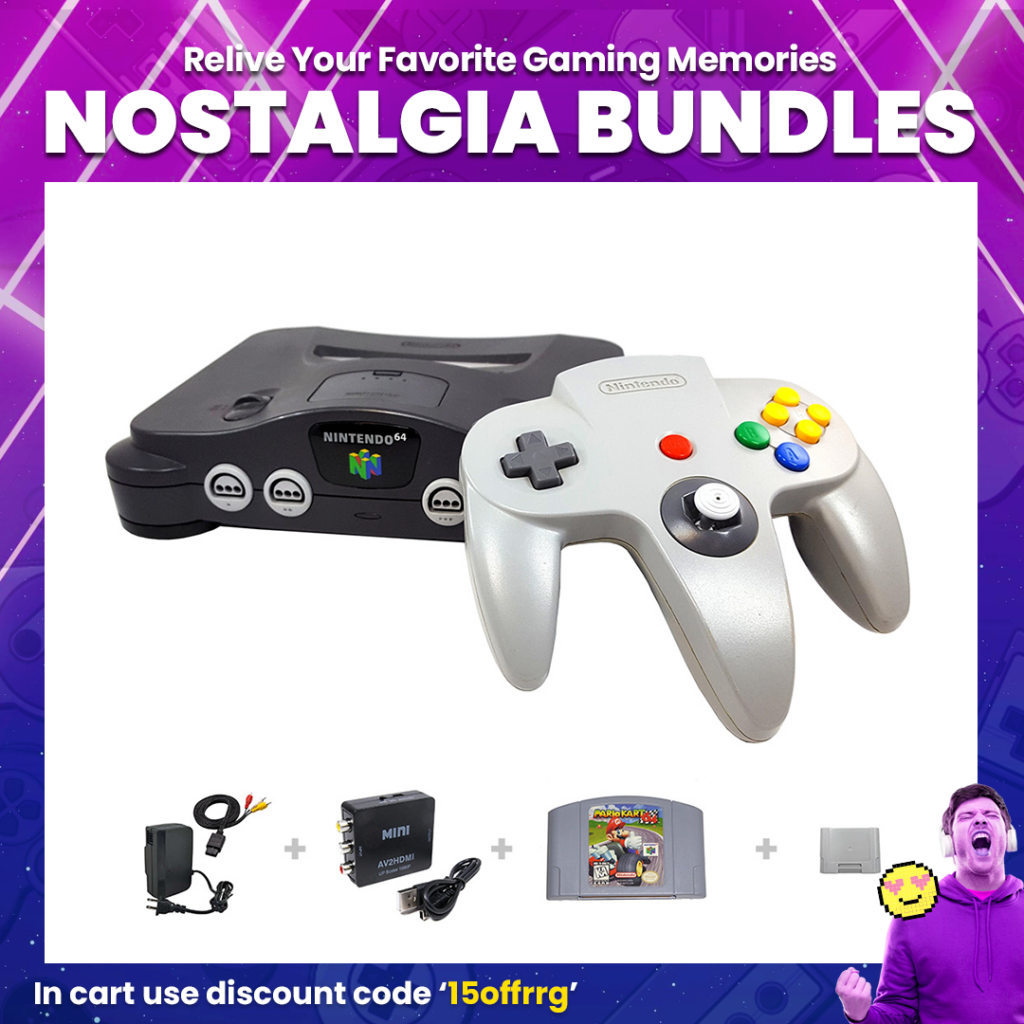
Hot Retro Product:
Nintendo 64 With Mario Kart 64 Bundle (On Sale Now!)

5. Super Smash Bros.
U.S. Release: April 26, 1999
U.S. Copies Sold: ≈3.20 million
Imagine telling 1995 gamers that Mario would suplex Pikachu off a floating Pokémon stadium—they’d call you nuts. Yet here we are, four controllers tangling like spaghetti while Link boomerangs Kirby into the stratosphere. Super Smash Bros. ditched health bars for ring-outs, marrying fighter depth to party-game chaos. That simple concept turned birthday gatherings into shout-a-thons; you’d hear “No items, Fox only, Final Destination” long before it became a meme. The single-player Classic mode, with its creepy Master Hand finale, provided after-school practice grounds to sharpen reflexes for weekend tournaments. Marketing was minimal; word-of-mouth did the heavy lifting. By summer, every school’s smelly AV room hosted clandestine brackets. Because bouts were quick and the roster iconic, Smash snuck into the pantheon of best selling N64 games with ease—proof that spontaneity and polish can coexist.
What Made This Game A Hit in the American Household
Easy two-button combos meant even Grandma could toss a Poké Ball, yet advanced tech kept hardcore teens grinding. Universal familiarity with Nintendo mascots broke down age barriers and filled living rooms nightly.
4. The Legend of Zelda: Ocarina of Time
U.S. Release: November 23, 1998
U.S. Copies Sold: ≈4.38 million
Some games are events; Ocarina of Time was a rite of passage. Midnight launches, gold cartridges, strategy guides thicker than phone books circulated among classmates like sacred texts. The leap from 2D Hyrule to a breathing 3D world felt as monumental as moving from bicycles to cars. We learned Z-targeting before parallel parking. Stepping onto Hyrule Field—sun rising, “Epona’s Theme” swelling—caused spontaneous jaw drops no VHS camcorder could capture. Every dungeon introduced mechanics now standard across gaming. Water Temple jokes aside, finishing the quest triggered a strange melancholy; nothing would top this… until maybe Breath of the Wild decades later. The game’s cinematic flair pulled in parents who typically “didn’t get” nintendo 64 games, and they watched, popcorn bowl in hand, while Ganondorf’s castle crumbled. Sales followed, cementing its legacy not just as a classic, but as the benchmark of 3D adventure design.
What Made This Game A Hit in the American Household
It wasn’t just a game—it was movie night, puzzle book, and playground gossip generator all in one. Families bonded over decoding riddles together, creating collective ownership of Link’s fate.
3. GoldenEye 007
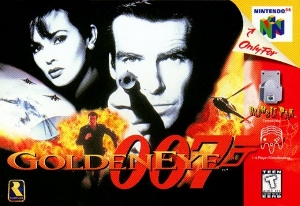
U.S. Release: August 25, 1997
U.S. Copies Sold: ≈5.05 million
Licensed movie games historically stunk, yet Rare delivered a stealth-shooter masterpiece that rewired console expectations. GoldenEye’s single-player missions rewarded methodical spycraft—shooting alarms, swapping covert disguises—long before “immersive sim” hit buzzword status. But multiplayer is where legend crystallized: four split screens, screen-peeking accusations, and the unspoken rule of “No Oddjob.” Remote Mines on Complex turned friendships into grudges; throwing knives in Archives? Chef’s kiss. The N64’s awkward controller magically felt built for dual-sighted sniping once you toggled Turok-style settings. GoldenEye became the unofficial dorm-room currency, often bundled with a bag of stale bagels and flat soda. Word spread to parents seeking new birthday gifts, bumping it into the echelon of top selling N64 games. Even today, its aim-down-sight wobble and analog strafing evoke visceral muscle memory. Bond might change actors, but Facility speed-runs are forever.
What Made This Game A Hit in the American Household
Up to four kids could shoot each other without buying extra gear—no link cables, no extra consoles. The game doubled as social glue at sleepovers, ensuring every household “needed” its own copy.


2. Mario Kart 64
U.S. Release: February 10, 1997
U.S. Copies Sold: ≈5.54 million
Banana peels on Koopa Troopa Beach, rubber-band AI, and that rainbow-puke road everyone fell off—Mario Kart 64 refined couch competition into an art form. The jump from 2D Mode 7 tracks to fully 3D landscapes felt like stepping out of a cardboard go-kart into a real-engine racer. Battle Mode’s Block Fort became afternoon detention for many a red shell victim. Parents even joined, because steering was intuitive and races short. Few games triggered louder living-room cackling or more frantic controller swapping. It remains integral to conversations about top selling Nintendo 64 games because the barrier to fun was nonexistent: plug in, press A, and pray for lightning bolts. Today, you can still snag a complete Nintendo 64 bundle and feel that same instant grin. Some things age like fine blue shells.
What Made This Game A Hit in the American Household
Four-player racing plus super-simple controls equaled infinite replay value. Its pick-up-and-play nature let everyone—from siblings to aunts—compete, guaranteeing constant demand for “just one more cup.”

1. Super Mario 64
U.S. Release: September 29, 1996
U.S. Copies Sold: ≈6.17 million
The launch title that sold the console—some argue it sold the future. Super Mario 64 invited us to triple-jump into a painting and never look back. That first analog stick wiggle in the courtyard was revelation; suddenly every other controller felt stuck in molasses. Bob-omb Battlefield’s open sandboxes whispered, “Go anywhere, experiment,” long before “open world” cluttered marketing blurbs. L-trigger camera frustrations? Worth it for an underwater swim through Dire Dire Docks paired with that serene melody. Everyone owned this game—grandparents, church youth centers, even dentist waiting rooms—driving its reign atop lists of best selling N64 games. Speed-runners still twist it inside-out, discovering new exploits annually. For many, the cartridge is childhood incarnate; blow on it, plug it in, and the smell of carpet fibers warmed by CRT fuzz comes rushing back. Mario didn’t just jump into 3D—he jump-kicked a generation’s imagination.
What Made This Game A Hit in the American Household
As the pack-in for many console bundles, it showcased 3D gaming instantly. Its bright worlds wowed kids, while adults appreciated intuitive goals—collect stars, save Peach—making it the default “show-off” title at family gatherings.
Closing Credits & Cartridge Dust
Scrolling through these ten heavy hitters is like flipping a photo album—each title cues sights, sounds, even snack flavors of the late ’90s. The broader N64 library is massive, yet these cartridges earned their sales stripes by turning households into nightly arcades. Maybe you’re feeling that tug to fish your console from the attic, or perhaps you’re plotting which duplicates could fund new hobbies (our guide on where to sell your video games for cash might help). Whatever the case, remember: gaming was never just about polygons or frame-rates. It was about huddling close, trash-talking through laughter, then begging for a rematch when the screen faded to black. Those memories don’t yellow like old manuals; they breathe each time the power light glows red. So here’s to rumble-packs, three-pronged controllers, and friendships forged over final laps—may your next star, bomb-omb, or barrel roll feel as magical as the first.







Leave a Reply