
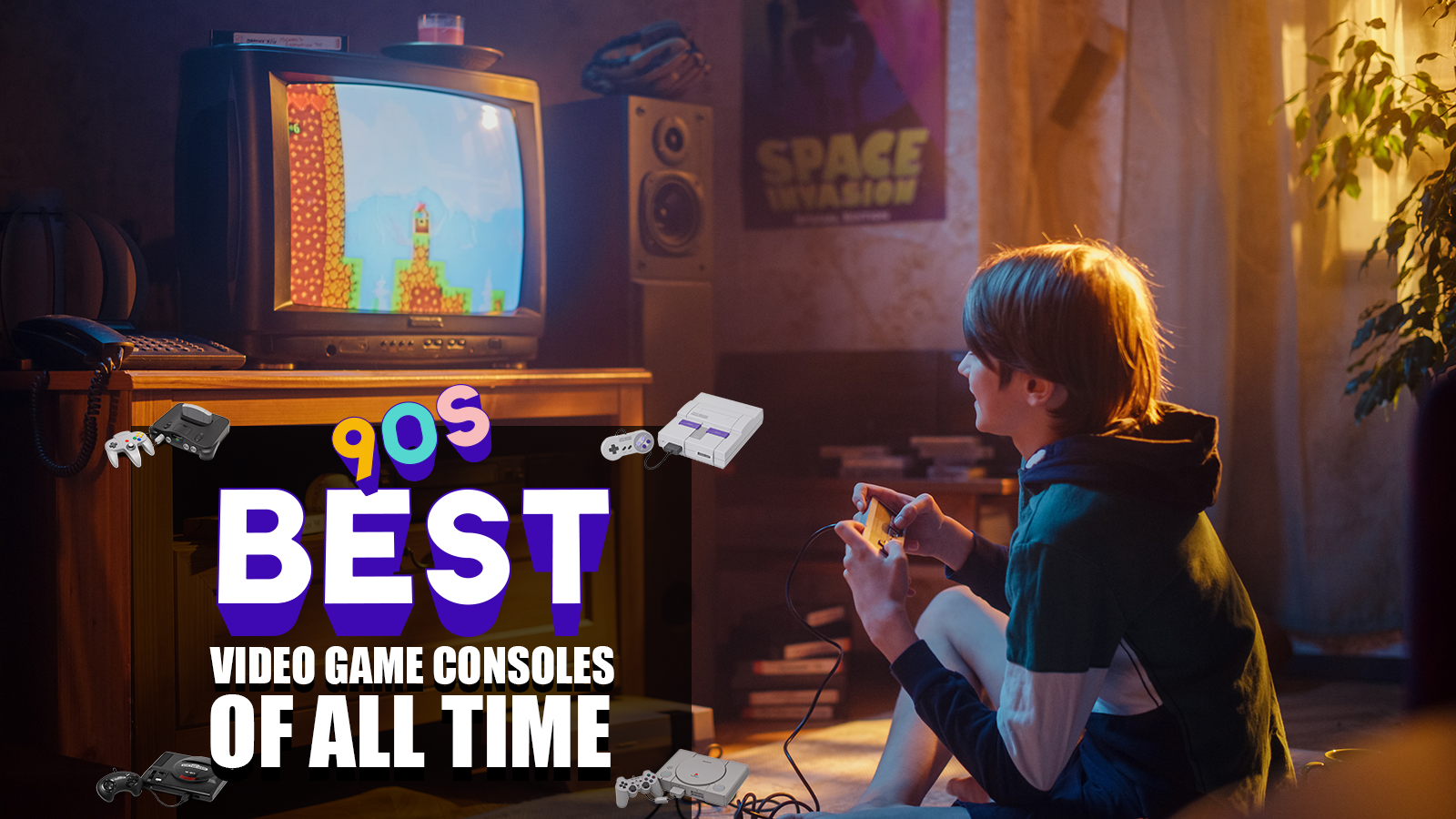
Best 90’s Video Game Consoles of All Time (Does Your Inner 10 Year Old Agree?)
The Year is 1990-Something
Ah, the 90s! A magical time when Nickelodeon ruled the airwaves, and every kid’s dream was to be slimed on “Double Dare.” We were guzzling down Squeez-Its, launching water balloons with our Super Soakers, and collecting Pogs during recess. Bill Clinton was in the White House, and “The Fresh Prince of Bel-Air” taught us the best dance moves. It was a decade filled with neon windbreakers, Tamagotchis, and the unforgettable sound of a dial-up modem connecting to the internet. Amidst all this awesomeness, one of the greatest joys was firing up your favorite video game console and getting lost in a world of pixels and epic adventures. Let’s take a trip down memory lane and revisit the hottest video game consoles that made the 90s an unforgettable era for gaming.
State of 1990s Gaming
The 90s were a transformative decade for the gaming industry, setting the stage for the modern gaming era. The 8-bit graphics of the 80s had given way to more powerful 16-bit systems, and the introduction of 3D graphics was just around the corner. Gaming was no longer just a niche hobby; it was becoming a mainstream phenomenon. Arcades were still popular hangouts, but home consoles were starting to dominate. Companies like Nintendo and Sega were household names, locked in an intense rivalry known as the “Console Wars.” The era saw the birth of iconic franchises like “Sonic the Hedgehog” and “Street Fighter,” and gamers were introduced to revolutionary gameplay experiences. With the advent of CD-ROM technology, games were more immersive and expansive than ever before. As the industry evolved, so did our love for these digital adventures, cementing the 90s as a golden age of gaming.
The Best Video Game Systems of 1990-1999
Now that we’ve set the stage, let’s dive into the heart of our nostalgic journey. We’ll be exploring the best video game consoles of the 90s, each one a cherished memory for countless gamers. Ready to relive your favorite childhood gaming moments? Let’s get started!
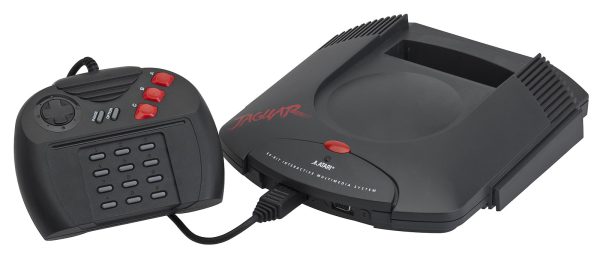
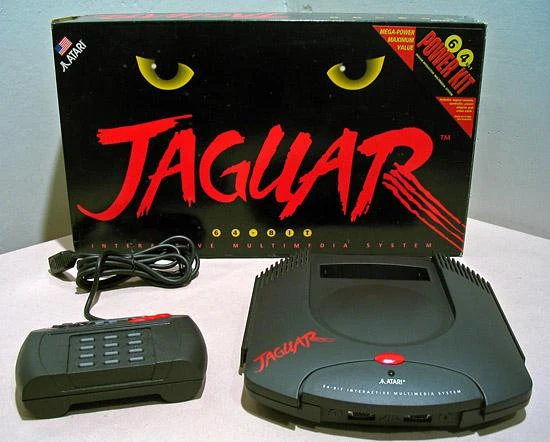
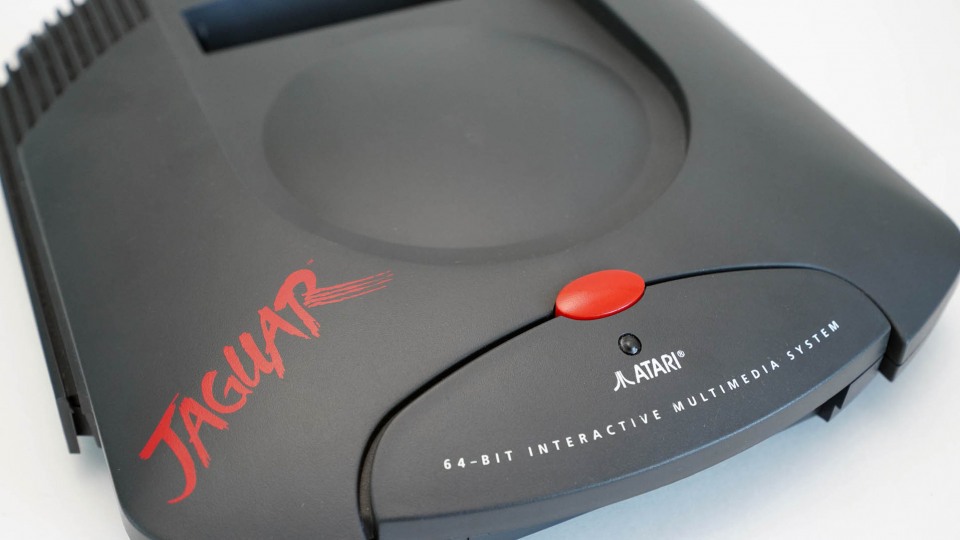
The Atari Jaguar, released in 1993, was touted as the world’s first 64-bit console, promising unmatched graphics and gameplay. It boasted an impressive lineup of games like “Alien vs. Predator” and “Tempest 2000,” which showcased its potential. However, despite its technological prowess, the Jaguar struggled with a lack of third-party support and a confusing controller design that deterred many gamers. Additionally, its high price tag and stiff competition from other consoles like the Sega Genesis and Super Nintendo Entertainment System (SNES) hindered its success. Ultimately, the Atari Jaguar failed to capture the mainstream audience, becoming more of a collector’s item than a household staple.
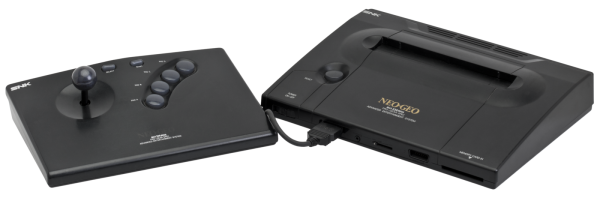
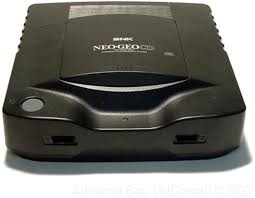
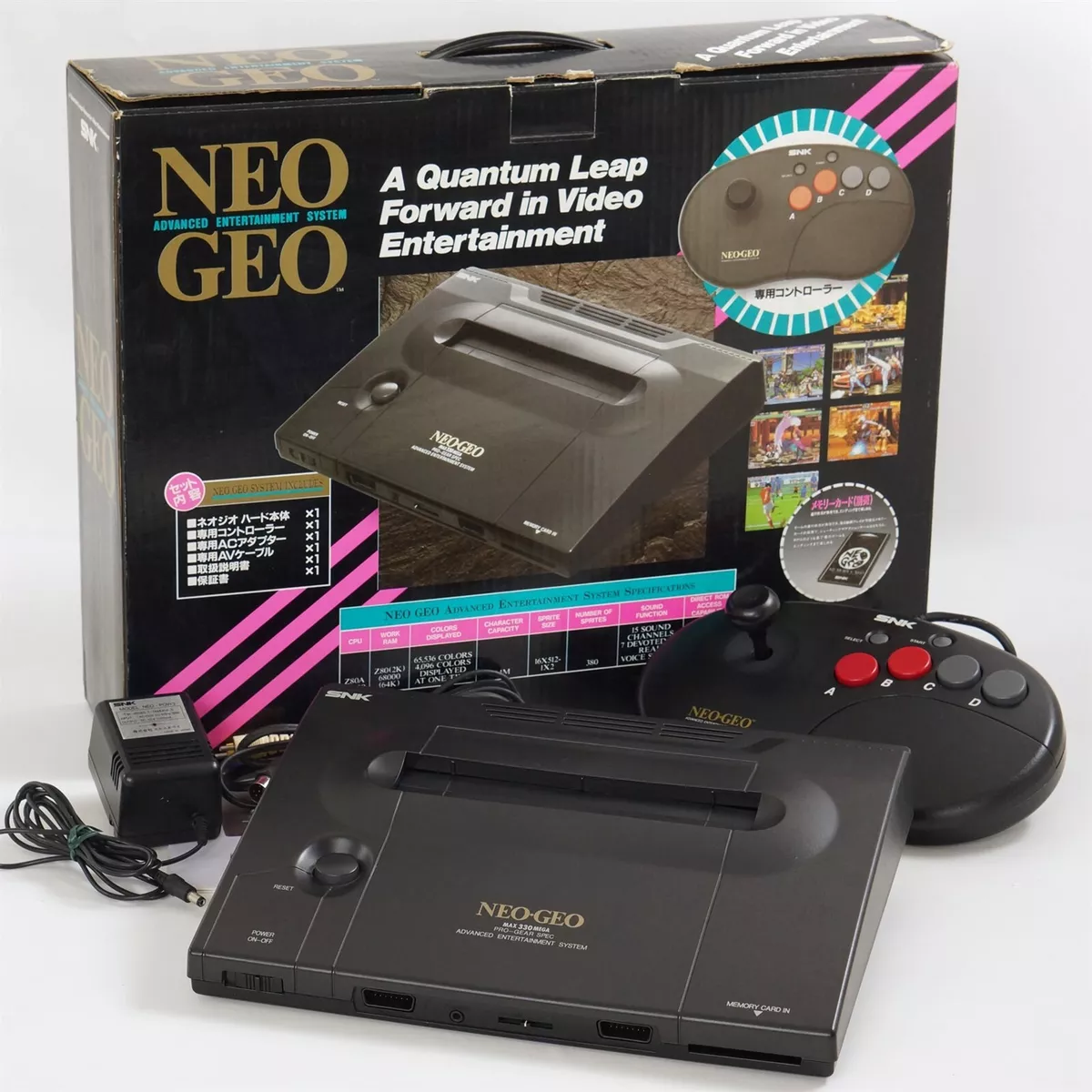
Launched by SNK in 1990, the Neo Geo was every arcade lover’s dream come true, bringing the arcade experience directly into the living room. It featured arcade-perfect ports of popular games like “Metal Slug” and “King of Fighters,” boasting superior graphics and sound. Despite its impressive library and unparalleled performance, the Neo Geo was plagued by its exorbitant price—both for the console and its games. This made it inaccessible for the average gamer. Additionally, the rise of other more affordable and equally entertaining consoles kept the Neo Geo from achieving widespread success. While it failed to dominate the market, it remains beloved by hardcore enthusiasts and collectors.
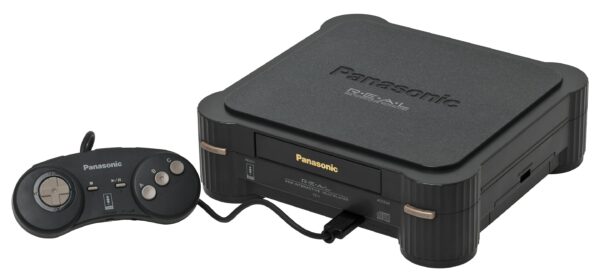
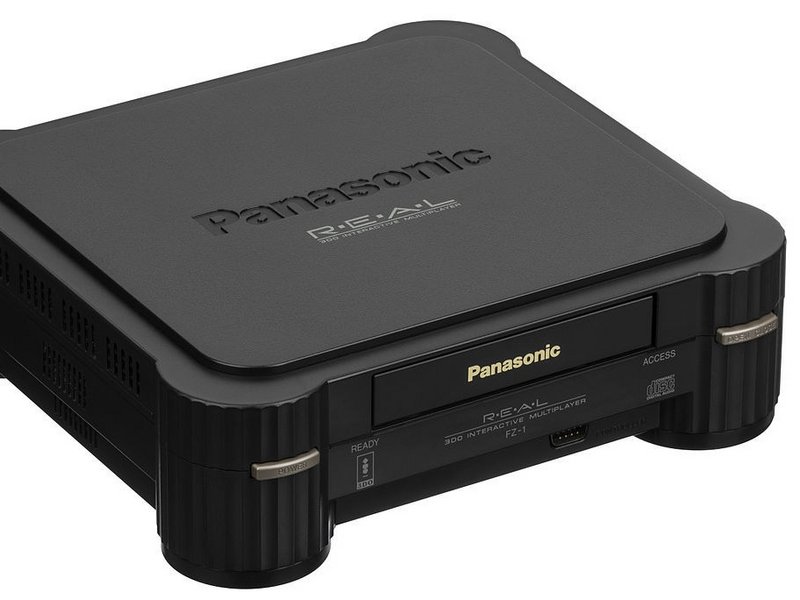
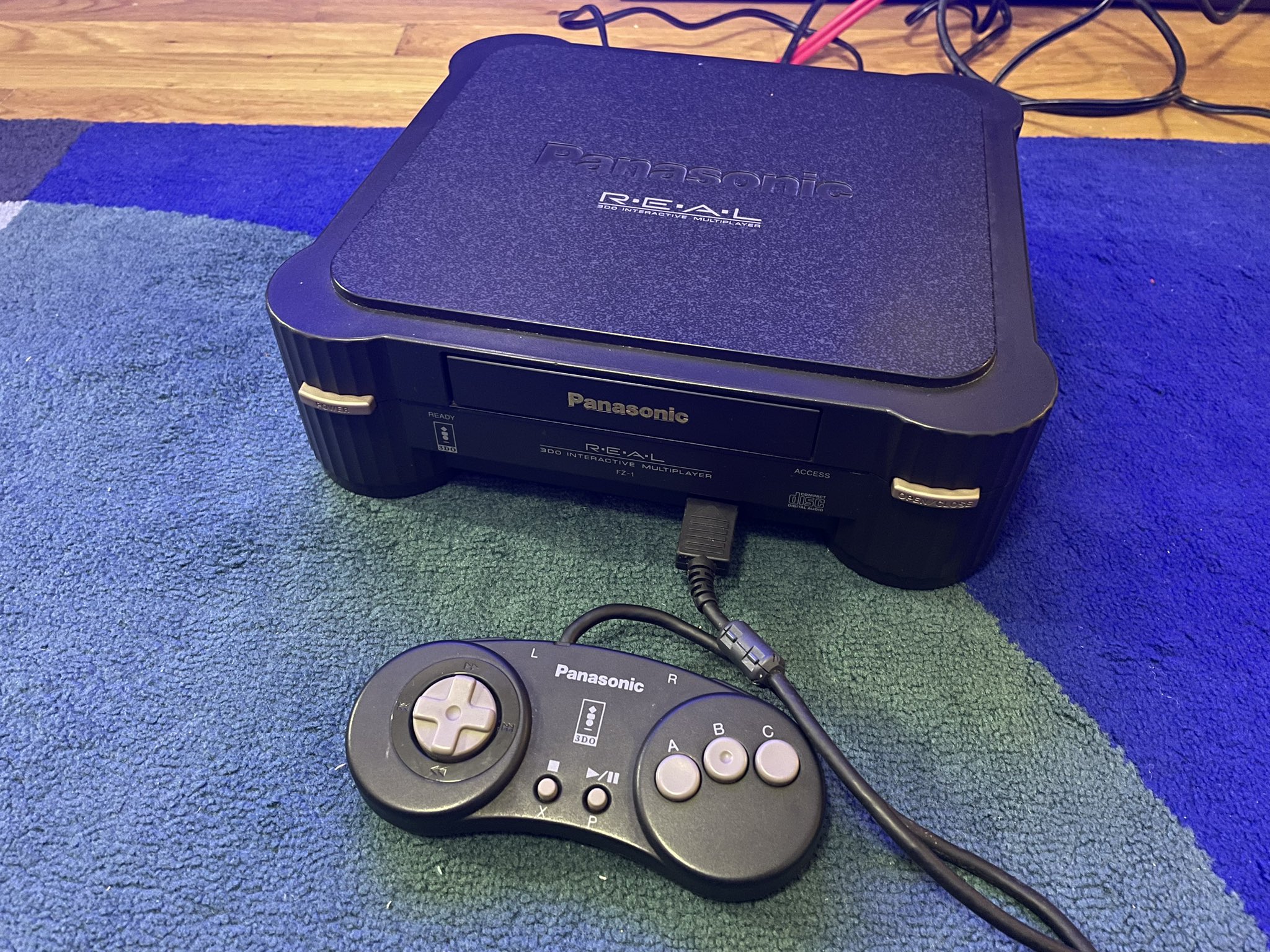
Released in October 1993, the Panasonic 3DO was an ambitious console that aimed to revolutionize home gaming. Priced at a hefty $699, it featured impressive multimedia capabilities, full-motion video, and a strong lineup of games like “Gex” and “The Need for Speed.” The 3DO’s graphical prowess and sound quality were ahead of its time, offering a glimpse into the future of gaming. However, its high price point and lack of third-party developer support severely hampered its sales, with only about 2 million units sold worldwide. Additionally, the market was already saturated with more affordable and well-established consoles like the Sega Genesis and SNES. Despite its innovative features, the Panasonic 3DO struggled to compete, ultimately fading into obscurity as more cost-effective alternatives took center stage.
Sell us your video game console:
Trade in Panasonic 3DO for cash
Standout 90s Games for the 3DO
Star Control 2: The Ur-Quan Masters
“Star Control 2: The Ur-Quan Masters” is often hailed as one of the best games on the 3DO. Released in 1994, it combined space exploration, real-time combat, and a rich storyline. Players navigated a vast galaxy, encountering various alien species, each with unique personalities and agendas, making it a truly immersive experience.
Lucienne’s Quest
“Lucienne’s Quest” was a rare gem for RPG fans on the 3DO. Released in 1995, it stood out with its charming graphics and engaging turn-based combat. The game’s story followed Lucienne, a young sorceress on a quest to save her world, providing hours of captivating gameplay and adventure.
Return Fire
“Return Fire,” released in 1995, was a thrilling action-strategy game where players controlled various military vehicles to capture the enemy’s flag. Its split-screen multiplayer mode was a standout feature, offering intense, competitive gameplay that showcased the 3DO’s capabilities and provided endless fun for players.
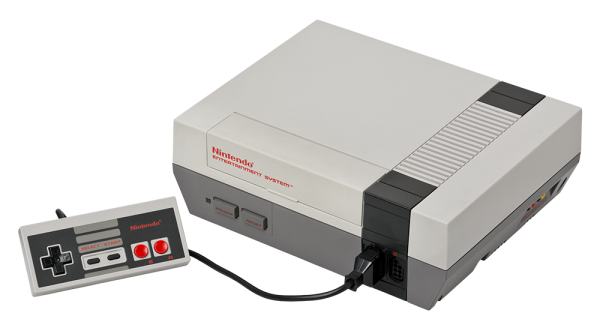
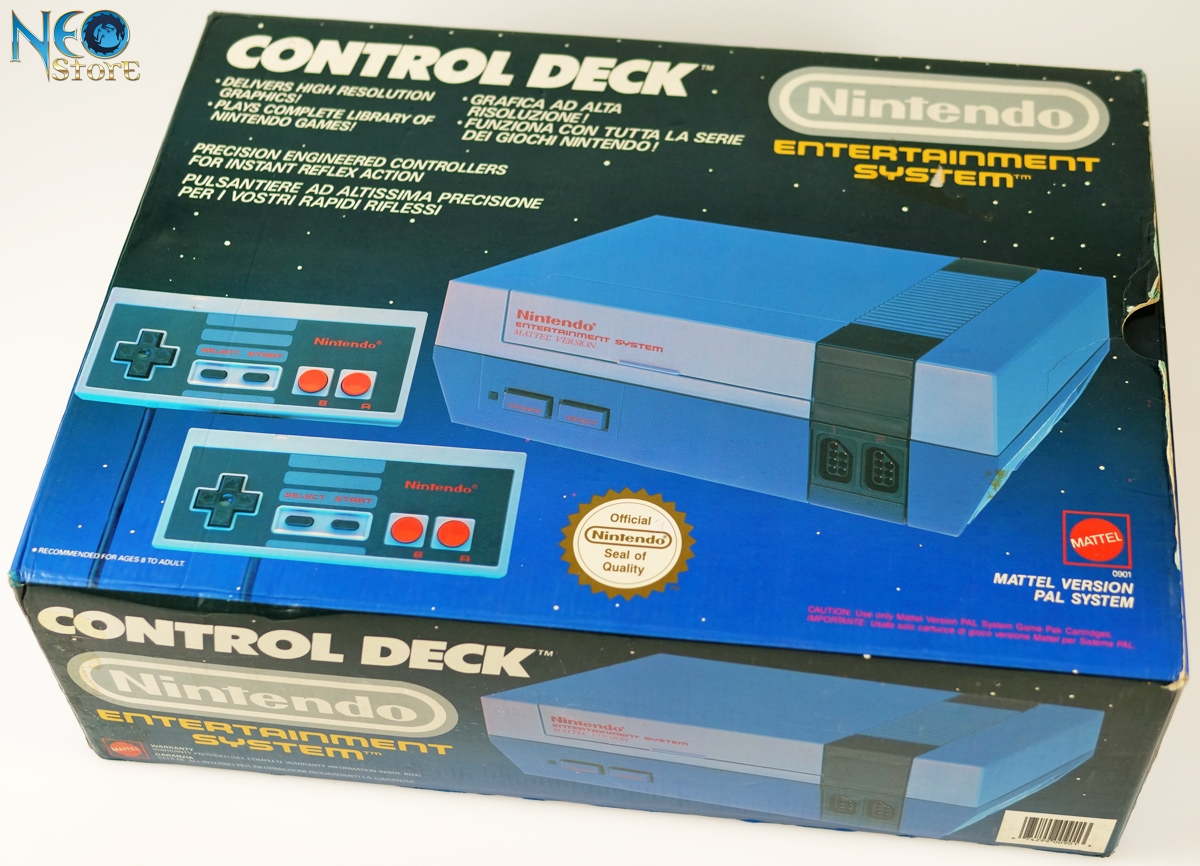
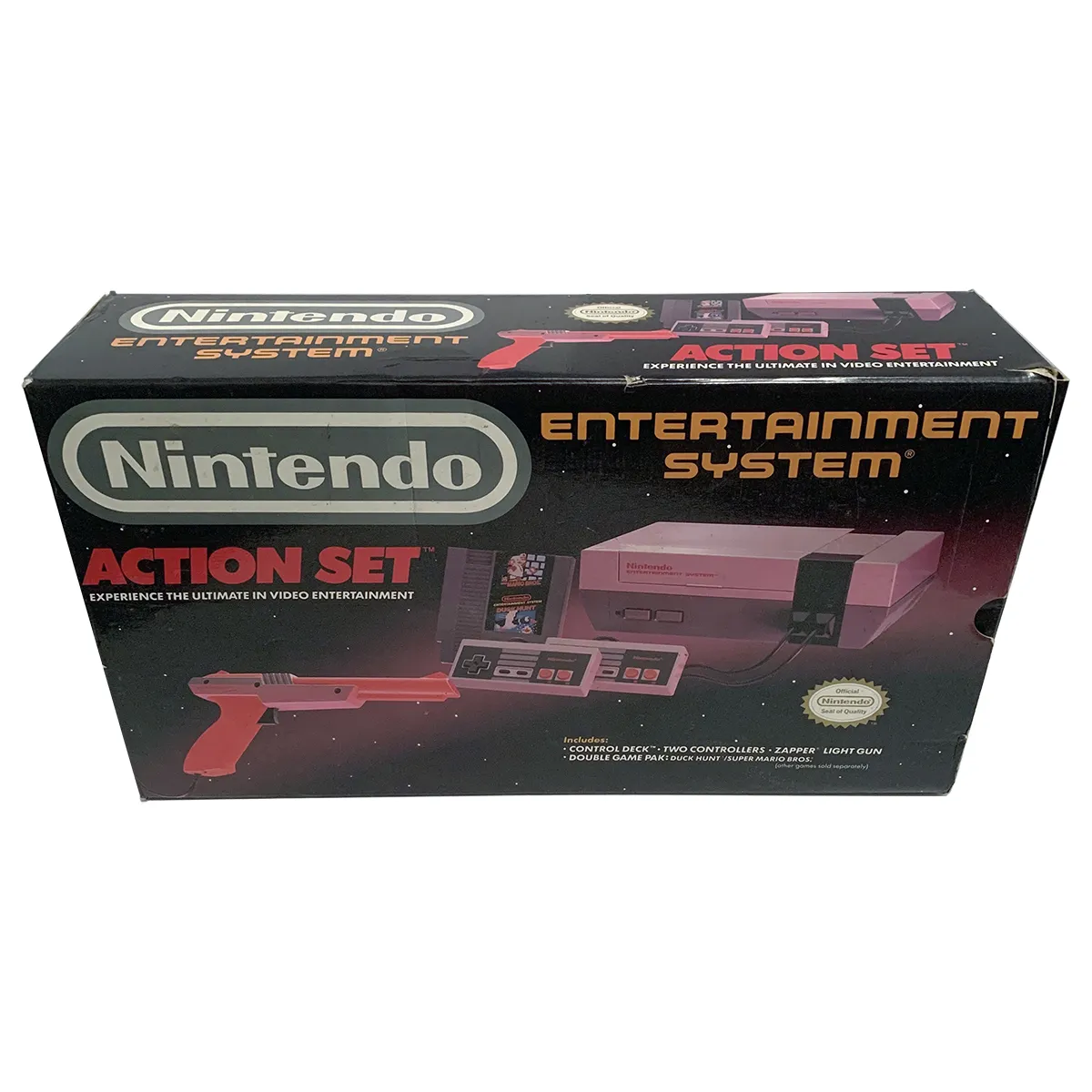
The Nintendo Entertainment System (NES) was the undisputed king of the 80s gaming world, revitalizing the video game industry after the crash of 1983. Released in North America in 1985, it became a household name with iconic titles like “Super Mario Bros.,” “The Legend of Zelda,” and “Metroid.” As the 90s rolled in, the NES maintained its relevance through an extensive library of beloved games and an ever-growing fan base.
Despite the rise of more advanced 16-bit systems like the Super Nintendo Entertainment System (SNES) and the Sega Genesis, the NES continued to thrive due to its affordability and expansive game selection. The console’s simple yet addictive gameplay kept players hooked, even as graphics and technology evolved. However, by the mid-90s, the NES began to show its age, and the focus shifted to more powerful systems. Nevertheless, the NES’s legacy lived on, leaving an indelible mark on gaming history and remaining a nostalgic favorite for many gamers.
Sell us your video game console:
Trade in Nintendo Entertainment System (NES) for cash
Standout 90s Games for the NES
Super Mario Bros. 3
“Super Mario Bros. 3,” released in 1990, is often hailed as one of the greatest games of all time. It introduced innovative gameplay mechanics, such as the ability to fly with the Super Leaf, and featured diverse worlds and challenging levels. Its vibrant graphics and memorable music captivated players, solidifying its place in gaming history.
Castlevania III: Dracula’s Curse
“Castlevania III: Dracula’s Curse,” released in 1990, was a prequel to the original Castlevania. It offered players multiple paths and characters, each with unique abilities, adding depth and replayability. The game’s atmospheric graphics, haunting soundtrack, and challenging gameplay made it a standout title on the NES, beloved by fans of the series.
Mega Man 3
“Mega Man 3,” released in 1990, continued the Blue Bomber’s adventures with more Robot Masters, new abilities like the slide, and the introduction of his canine companion, Rush. The game’s tight controls, engaging level design, and catchy music ensured it became a classic, further cementing Mega Man’s legacy on the NES.
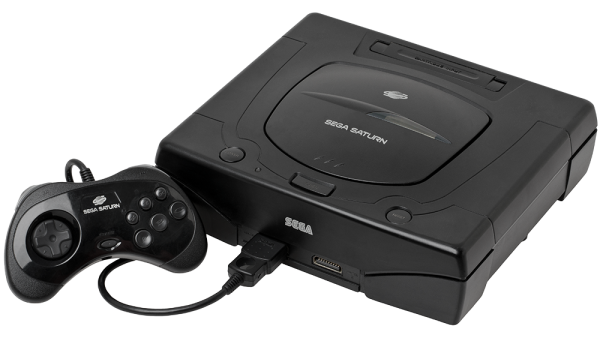
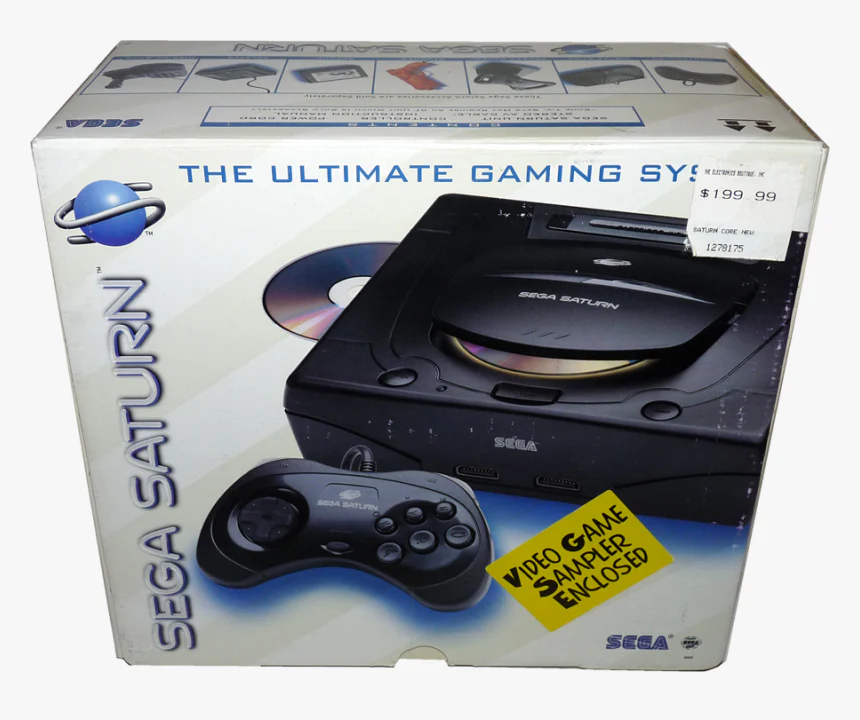
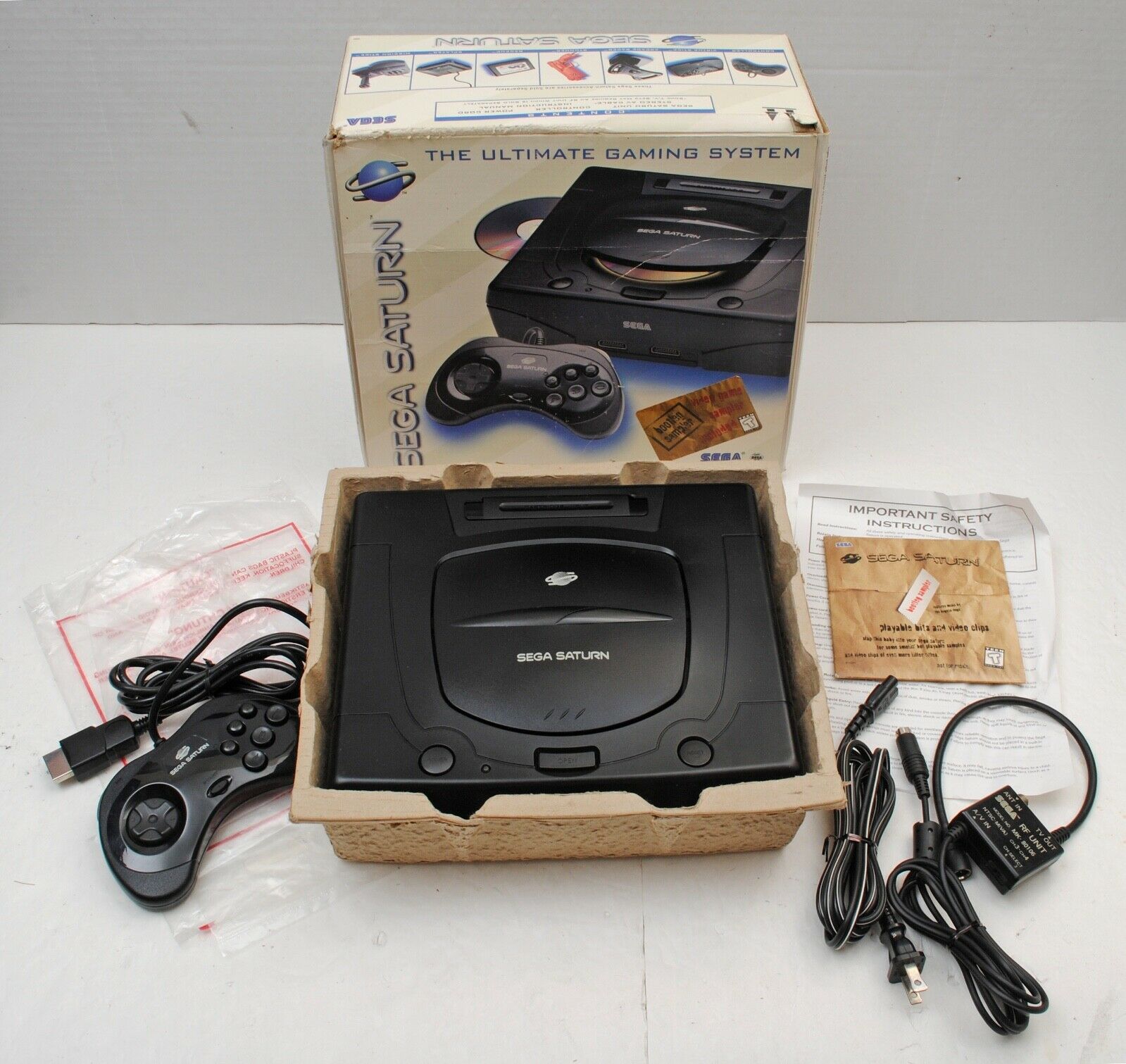
Released in North America on May 11, 1995, the Sega Saturn aimed to build on the success of the Sega Genesis, but it faced a rocky road. The Saturn was known for its impressive 2D capabilities and innovative titles like “Nights into Dreams” and “Panzer Dragoon.” It featured a unique dual-CPU architecture, which, while powerful, made it notoriously difficult to develop for. Despite selling around 9.26 million units worldwide, it struggled to gain a significant market share.
The abrupt and poorly communicated launch of the Saturn, several months ahead of schedule, left retailers and developers scrambling. Additionally, its steep $399 price tag and lack of third-party support hindered its success. The rising popularity of Sony’s PlayStation and Nintendo’s upcoming Nintendo 64 further squeezed the Saturn out of the market. Sega’s missteps in marketing and hardware complexity led to the Saturn’s downfall, marking a significant misfire in Sega’s console history. Ultimately, the Saturn failed to replicate the Genesis’s momentum, leaving Sega to rethink its strategy in the console wars.
Sell us your video game console:
Trade in Sega Saturn for cash
Standout 90s Games for the Saturn
Panzer Dragoon Saga
“Panzer Dragoon Saga,” released in 1998, is a highly acclaimed RPG known for its deep storyline, innovative battle system, and stunning graphics. Despite its late release and limited production, it garnered a dedicated following and is often considered one of the best games on the Sega Saturn, highlighting the console’s potential.
NiGHTS Into Dreams
“NiGHTS Into Dreams,” released in 1996, showcased the Sega Saturn’s 3D capabilities with its fluid, dreamlike flight mechanics and colorful, imaginative worlds. Developed by Sonic Team, it offered a unique and mesmerizing gameplay experience, making it a standout title and a beloved classic among Sega fans.
Sega Rally Championship
“Sega Rally Championship,” released in 1995, brought the thrill of rally racing to the Saturn with its realistic physics and challenging tracks. It was praised for its smooth controls, impressive graphics, and addictive gameplay, becoming a must-have title for racing enthusiasts and showcasing the Saturn’s strength in arcade-style games.

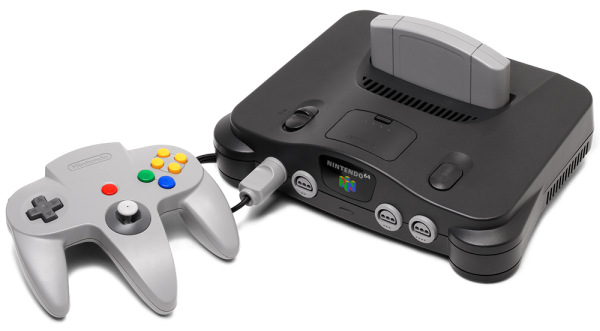
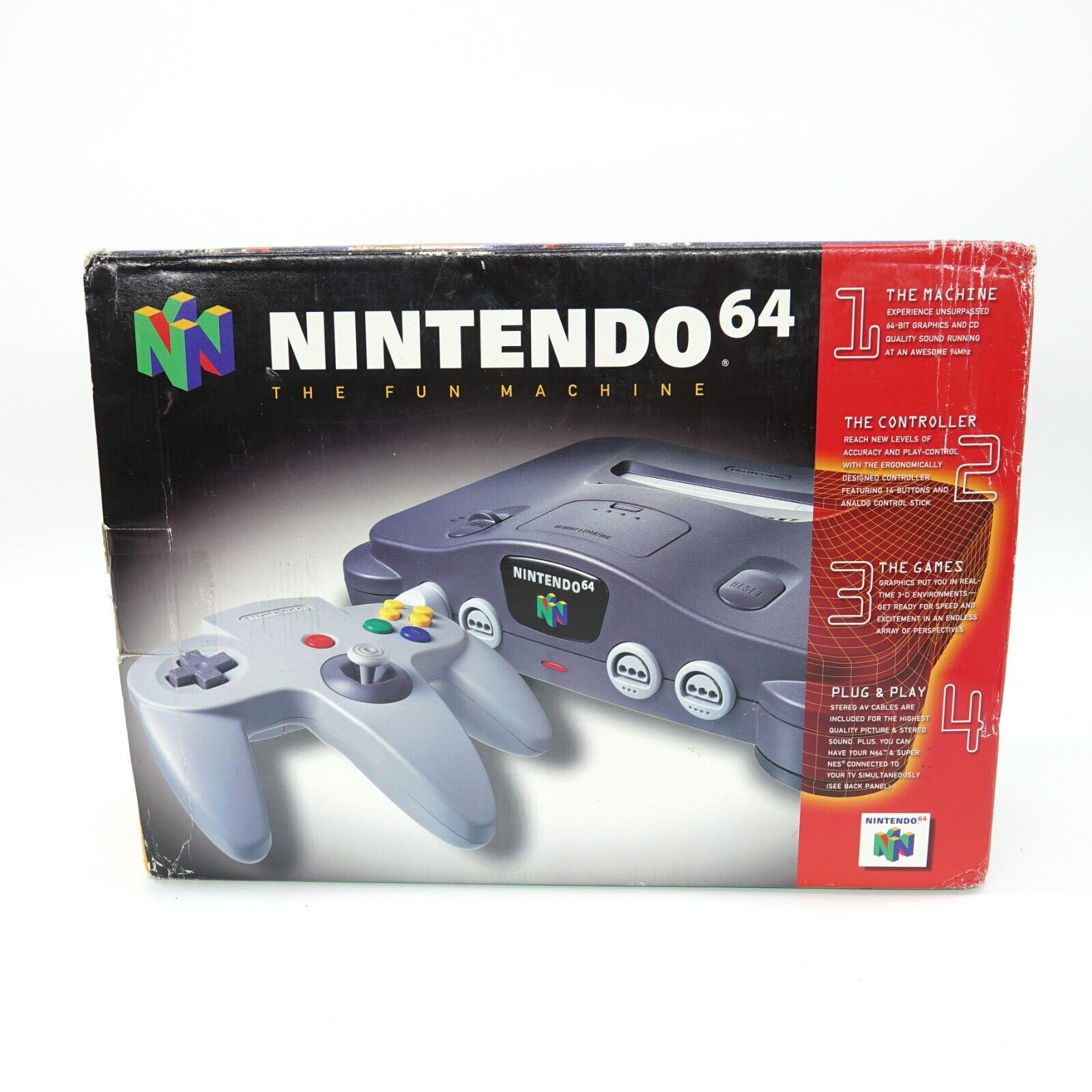
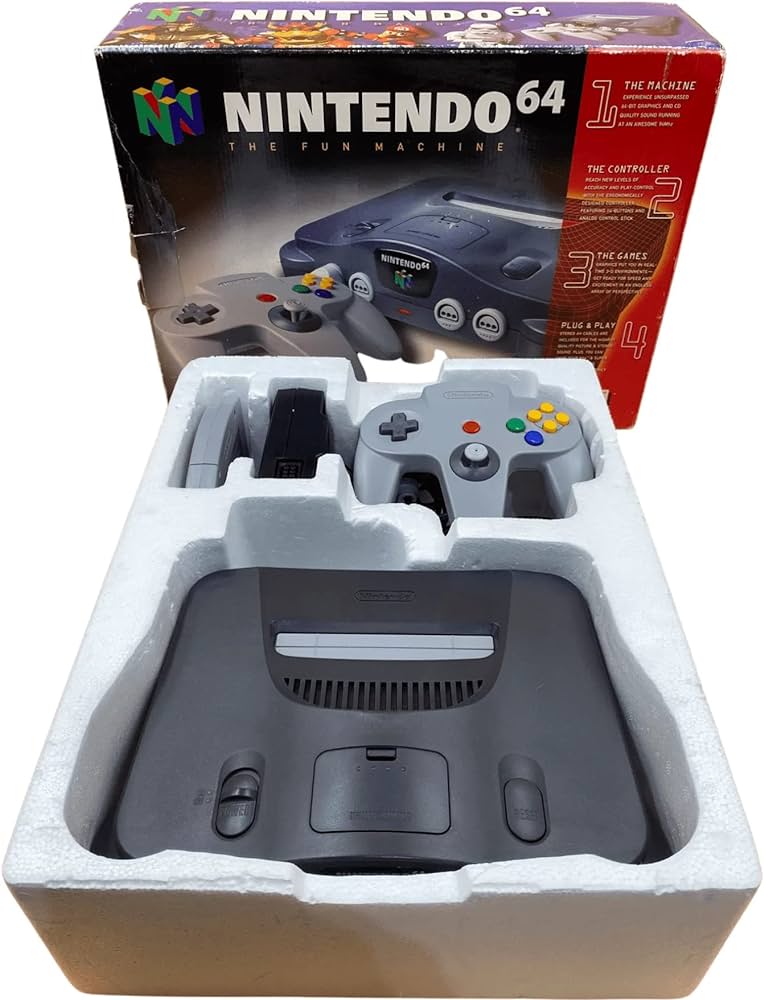
Released on September 29, 1996, the Nintendo 64 (N64) made a significant impact in the gaming world with its revolutionary 3D graphics and iconic games. Selling nearly 33 million units worldwide, the N64 brought memorable titles like “Super Mario 64,” “The Legend of Zelda: Ocarina of Time,” and “GoldenEye 007,” which set new standards for game design and player immersion. The console’s innovative controller, with its unique analog stick, offered precise control for 3D gameplay, forever changing how games were played.
Despite its successes, the N64 faced some challenges. Its reliance on cartridge-based games, while providing faster load times, limited storage capacity and higher production costs compared to CDs used by competitors like the PlayStation. This led to some third-party developers opting out of creating games for the N64. However, Nintendo’s strong first-party titles and innovative gameplay experiences ensured its success in an increasingly competitive market, cementing its place as a beloved console of the 90s.
Sell us your video game console:
Trade in Nintendo 64 for cash

Standout 90s Games for the N64
The Legend of Zelda: Ocarina of Time
Released in 1998, “The Legend of Zelda: Ocarina of Time” is often regarded as one of the greatest video games of all time. Its expansive world, compelling story, and innovative gameplay mechanics, such as the targeting system and time-travel elements, captivated players and set new standards for action-adventure games.
Super Mario 64
“Super Mario 64,” a launch title for the N64 in 1996, revolutionized 3D platforming. It introduced players to a fully explorable 3D world, with fluid controls and creative level design. The game’s pioneering use of the analog stick for precise movement made it a landmark title that influenced countless future games.
Super Smash Bros.
Released in 1999, “Super Smash Bros.” brought a new kind of multiplayer mayhem to the N64. Featuring beloved characters from various Nintendo franchises, it offered fast-paced, chaotic battles that were easy to pick up but hard to master. Its unique gameplay and engaging multiplayer modes made it an instant hit and spawned a highly successful series.
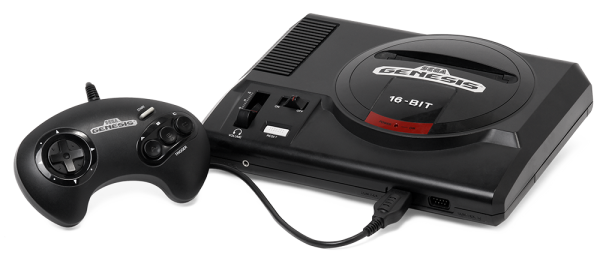
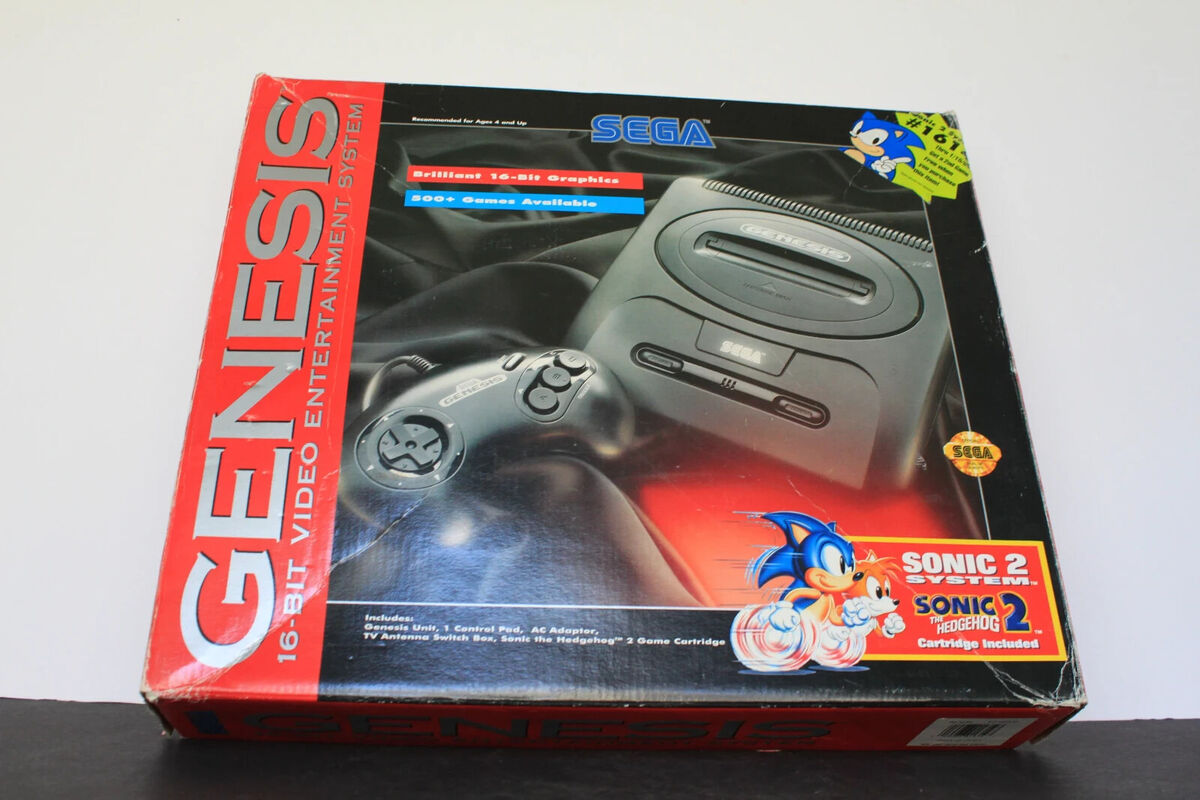
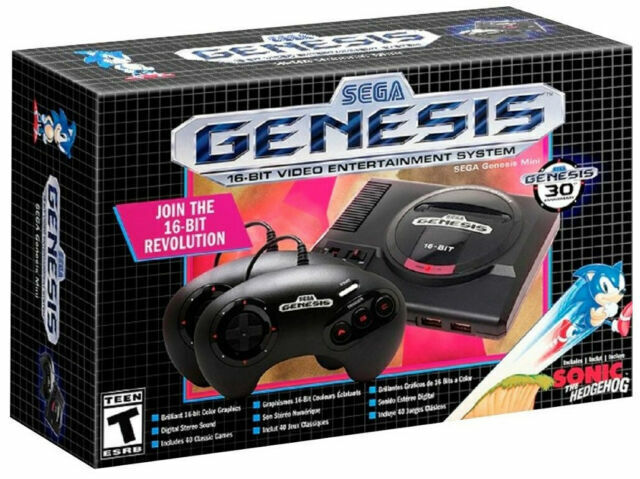
Released in North America on August 14, 1989, the Sega Genesis found its prime in the 90s, selling over 30 million units worldwide. It quickly gained popularity with its impressive library of games, including “Sonic the Hedgehog,” “Streets of Rage,” and “Mortal Kombat,” which showcased the system’s superior graphics and sound capabilities compared to its 8-bit predecessors. The Genesis excelled in delivering fast-paced, arcade-style gameplay, appealing to a broad audience.
While it faced stiff competition from the Super Nintendo Entertainment System (SNES), the Genesis carved out its niche with a strong marketing campaign and a reputation for edgier, more mature games. Its slogan, “Genesis does what Nintendon’t,” highlighted its competitive spirit. However, the Genesis wasn’t without its flaws. The lack of strong third-party support and the fragmented market caused by numerous add-ons like the Sega CD and 32X diluted its impact. Despite these challenges, the Sega Genesis remains a beloved console, remembered for its role in the fierce console wars and its impressive contributions to 90s gaming culture.
Sell us your video game console:
Trade in Sega Genesis for cash
Standout 90s Games for the Genesis
Sonic the Hedgehog
“Sonic the Hedgehog,” released in 1991, became the Genesis’s flagship title. With its blazing-fast gameplay, vibrant graphics, and catchy soundtrack, Sonic quickly became an icon, rivaling Mario. The game’s innovative level design and the character’s cool, edgy attitude helped the Genesis gain a foothold in the competitive gaming market.
Streets of Rage 2
“Streets of Rage 2,” released in 1992, is celebrated as one of the best beat-’em-up games of all time. It featured improved graphics, a memorable soundtrack, and diverse characters with unique fighting styles. Its cooperative gameplay and intense action made it a standout title, cementing the Genesis’s reputation for high-quality arcade experiences at home.
Phantasy Star IV
“Phantasy Star IV,” released in 1993, is a standout RPG that showcased the Genesis’s capabilities. With its deep storyline, rich character development, and strategic turn-based combat, it provided an immersive experience. The game’s expansive world and engaging narrative made it a beloved classic, highlighting the Genesis’s ability to deliver compelling RPGs alongside action-packed titles.
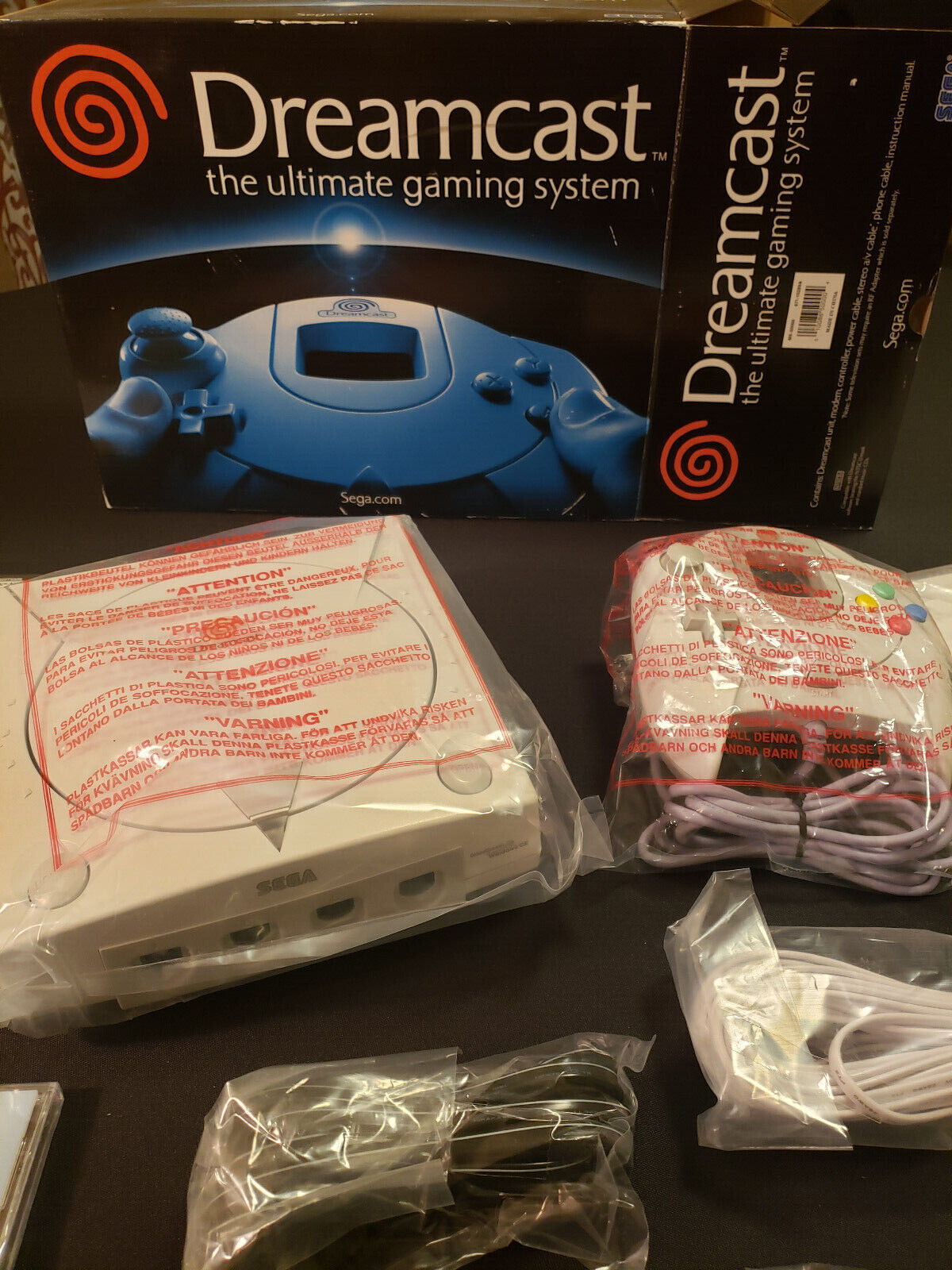
Released in North America on September 9, 1999, the Sega Dreamcast was a bold and innovative console that sold over 9 million units worldwide. It was ahead of its time with features like built-in modem for online gaming, a first for consoles, and a VMU (Visual Memory Unit) that served as both a memory card and a secondary screen. The Dreamcast boasted an impressive library of games, including “Sonic Adventure,” “Shenmue,” and “Soulcalibur,” which showcased its powerful graphics and unique gameplay experiences. Despite its initial success and critical acclaim, the Dreamcast faced several challenges. The looming release of the PlayStation 2, which offered DVD playback and a broader game library, overshadowed the Dreamcast’s innovations. Additionally, Sega’s previous hardware failures, such as the Sega CD and 32X, had eroded consumer confidence. Financial struggles within Sega further compounded the problem, making it difficult to sustain the Dreamcast’s momentum. Ultimately, the Dreamcast marked Sega’s exit from the console manufacturing business, but it left a lasting legacy of innovation and beloved games. Sell us your video game console: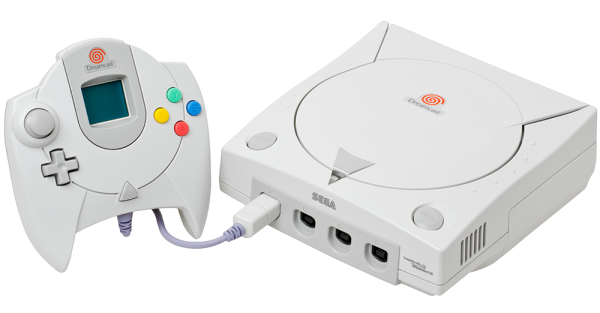
Trade in Sega Dreamcast for cash
Standout 90s Games for the Dreamcast
SoulCalibur
“SoulCalibur,” released in 1999, was a groundbreaking fighting game that set new standards for the genre. Its stunning graphics, fluid animations, and deep combat system captivated players. The game’s critical acclaim and addictive gameplay made it a flagship title for the Dreamcast, showcasing the console’s graphical prowess.
NFL 2K
“NFL 2K,” released in 1999, revolutionized sports gaming with its realistic graphics, smooth gameplay, and advanced AI. It offered a true-to-life football experience that set it apart from other sports titles of the era. “NFL 2K” became a must-have game for sports enthusiasts, highlighting the Dreamcast’s ability to deliver top-notch sports simulations.
Sonic Adventure
“Sonic Adventure,” also released in 1999, brought the iconic blue hedgehog into the 3D era with thrilling speed and vibrant worlds. Its diverse gameplay, engaging story, and impressive graphics made it a standout title. The game’s success reaffirmed Sonic’s status as a beloved character and showcased the Dreamcast’s potential for delivering unforgettable gaming experiences.
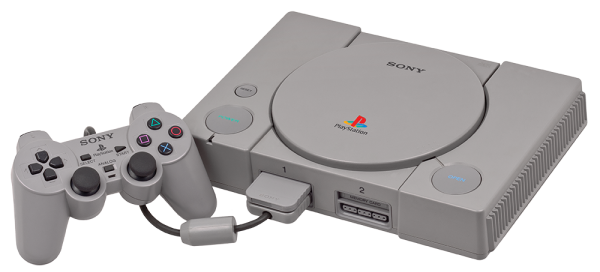
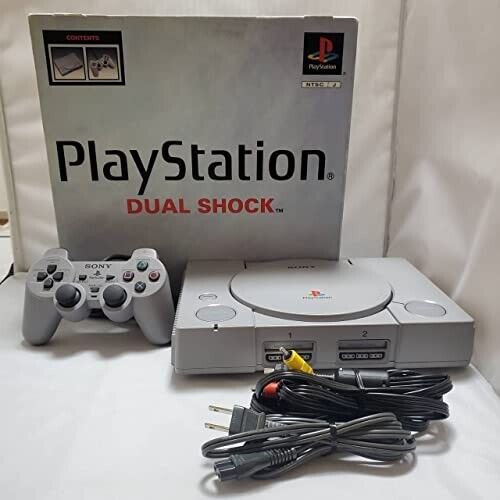
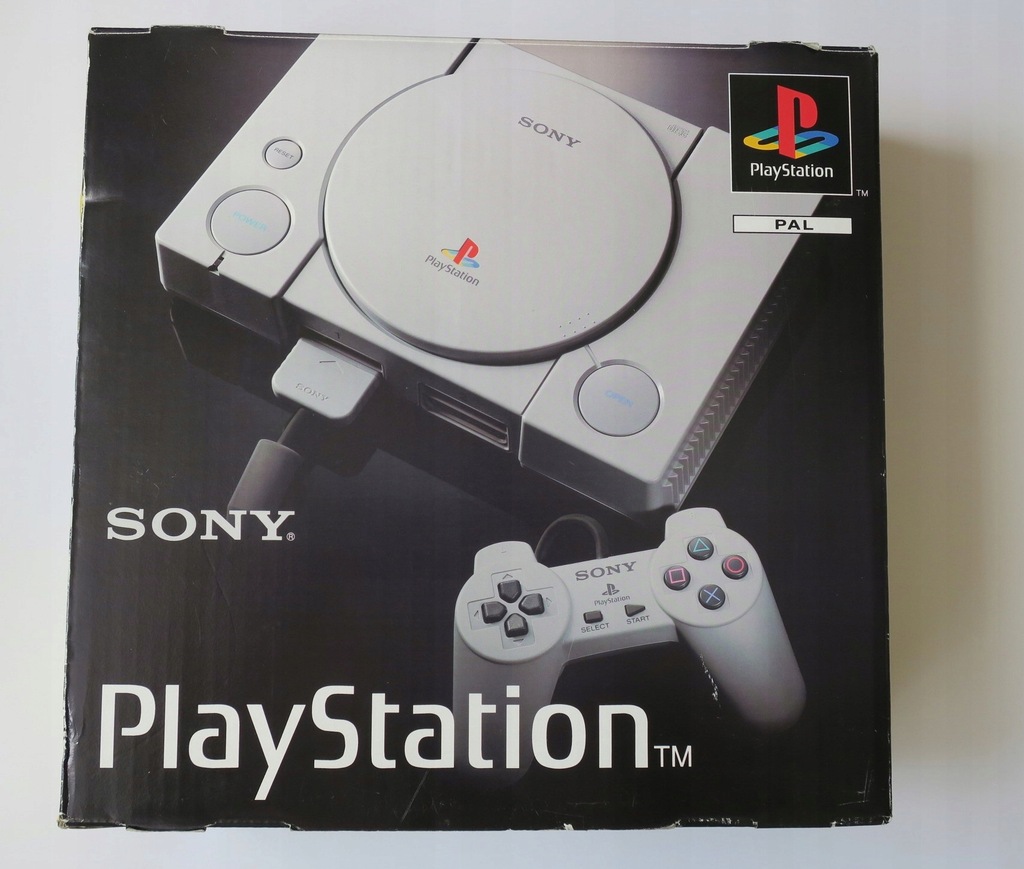
Released on September 9, 1995, the Sony PlayStation marked a seismic shift in the gaming industry, selling over 100 million units worldwide. As Sony’s debut console, it quickly became a dominant force thanks to its impressive 3D graphics, extensive game library, and robust third-party support. The PlayStation introduced iconic franchises like “Final Fantasy,” “Metal Gear Solid,” and “Resident Evil,” which captivated gamers with their innovative gameplay and cinematic storytelling.
What made the PlayStation a formidable competitor was its use of CD-ROM technology, which offered more storage capacity than cartridges, allowing for more complex games with better audio and video quality. The console’s affordability and marketing strategy, targeting a broader demographic including older teenagers and adults, also contributed to its widespread appeal. The PlayStation’s sleek design and easy-to-use controller further cemented its popularity. By breaking away from traditional gaming norms and pushing technological boundaries, the Sony PlayStation redefined the gaming landscape and set the stage for future generations of consoles.
Sell us your video game console:
Trade in Sony PlayStation for cash
Standout 90s Games for the PS1

Final Fantasy VII
“Final Fantasy VII,” released in 1997, is a legendary RPG that brought cinematic storytelling and complex characters to the forefront of gaming. Its epic narrative, unforgettable characters like Cloud and Sephiroth, and groundbreaking 3D graphics made it a defining title for the PlayStation, cementing its place in gaming history.
Tony Hawk’s Pro Skater 2
“Tony Hawk’s Pro Skater 2,” released in 2000, revolutionized sports gaming with its intuitive controls, diverse skateboarding tricks, and iconic soundtrack. The game’s addictive gameplay and open-ended levels provided endless replayability, making it a standout title that resonated with both casual and hardcore gamers alike.
Gran Turismo
“Gran Turismo,” released in 1997, set a new standard for racing games with its realistic graphics, physics, and extensive car roster. Its detailed simulation of real-world driving mechanics and vast customization options provided a deep and immersive experience, establishing it as a must-have title for racing enthusiasts and showcasing the PlayStation’s technical capabilities.
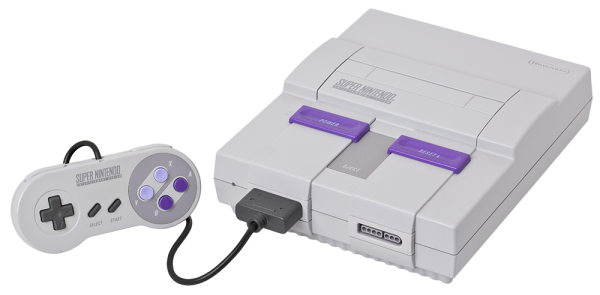
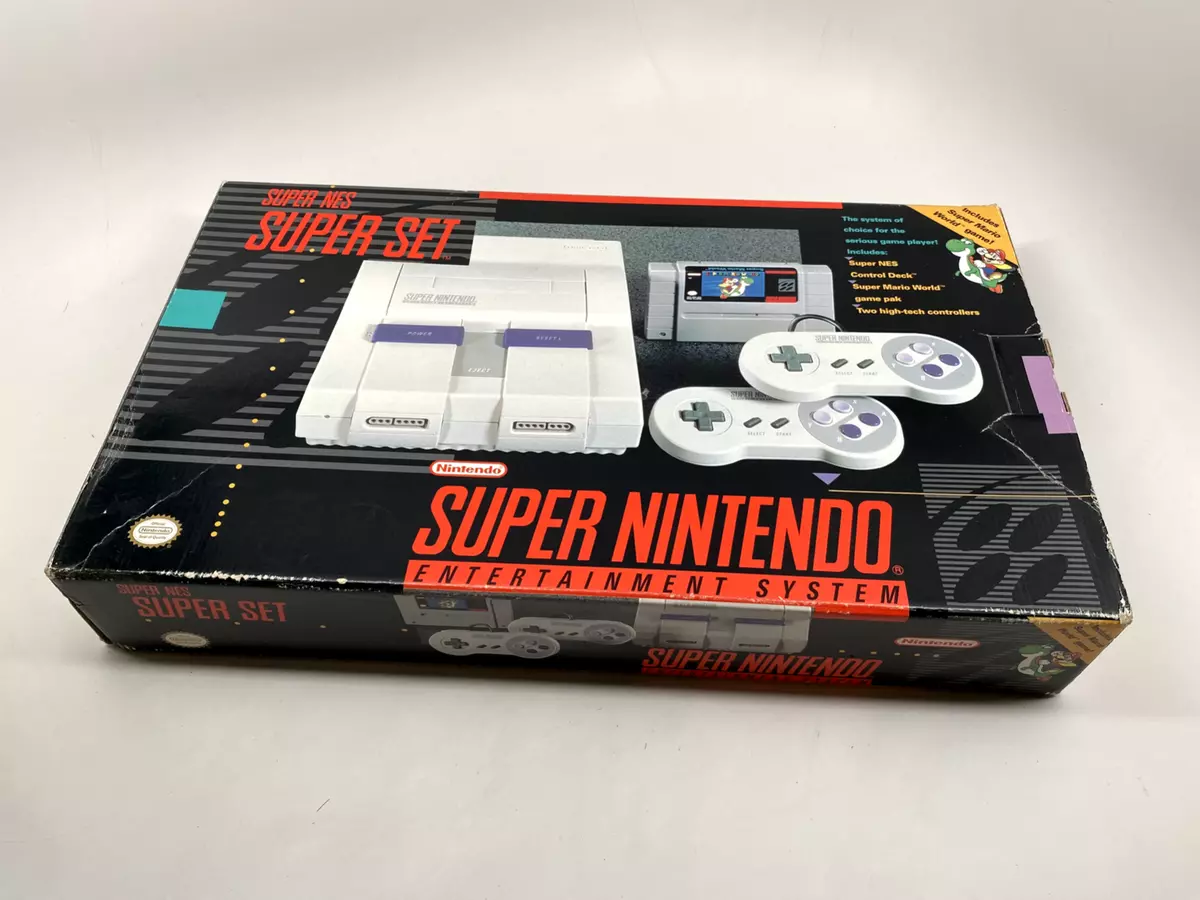
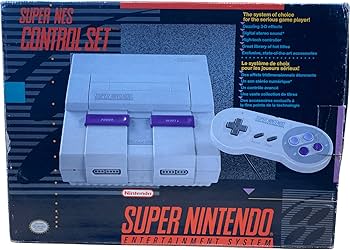
Choosing the Super Nintendo Entertainment System (SNES) as the top console of the 90s might spark some debates, especially given the PlayStation’s incredible sales dominance. However, the SNES, released in North America on August 23, 1991, and selling over 49 million units worldwide, carved out a legendary status in the gaming world. As the successor to the NES, it brought a new level of excitement with its 16-bit graphics, unforgettable soundtracks, and a lineup of iconic first-party titles that captured the imaginations of gamers everywhere.
Nintendo’s magical touch was evident in masterpieces like “Super Mario World,” “The Legend of Zelda: A Link to the Past,” and “Super Metroid.” These games offered rich, immersive experiences that defined childhoods and set the standard for what video games could be. The SNES’s diverse library spanned every genre, ensuring that there was something for everyone.
The SNES played a pivotal role in the heated console wars against the Sega Genesis. While the Genesis touted a faster processor, the SNES dazzled with its vibrant graphics, deeper gameplay mechanics, and Mode 7 technology, which enabled impressive 3D effects. Nintendo’s robust third-party support and beloved franchises helped the SNES stand out as a powerhouse of fun and creativity.
Despite the fierce competition, the SNES’s combination of cutting-edge technology, timeless games, and Nintendo’s signature charm made it an enduring favorite. For many, it wasn’t just a console; it was a gateway to countless adventures and cherished memories, solidifying its place as the best console of the 1990s.
Sell us your video game console:
Trade in Super Nintendo (SNES) for cash
Standout 90s Games for the SNES

Super Mario World
“Super Mario World,” released in 1990, was a launch title that showcased the SNES’s capabilities. With its vibrant graphics, intricate level design, and the introduction of Yoshi, it quickly became a classic. Its expansive world and hidden secrets kept players engaged for hours, setting a high standard for platformers.
Chrono Trigger
“Chrono Trigger,” released in 1995, is a beloved RPG that pushed the boundaries of storytelling and gameplay. With its captivating time-traveling narrative, memorable characters, and multiple endings, it offered an unprecedented level of depth and replayability. The game’s beautiful graphics and unforgettable soundtrack cemented its place as one of the greatest RPGs of all time.

Donkey Kong Country
“Donkey Kong Country,” released in 1994, revolutionized graphics with its pre-rendered 3D visuals. The game’s smooth animations, catchy music, and challenging platforming mechanics captivated players. Its success demonstrated the SNES’s graphical prowess and introduced a new generation to the beloved character, making it a standout title in the console’s library.

So, What Were the Best Selling Consoles in the U.S. in the 1990s?
While our list captures the essence of the best 90s consoles, let’s dive into the actual top 10 best-selling video game consoles of the decade. Here’s a look at the sales figures that defined the gaming landscape of the 90s.
- Sony PlayStation – The Sony PlayStation sold over 100 million units worldwide.
- Super Nintendo – The SNES sold over 49 million units worldwide.
- Sega Genesis* – The Sega Genesis sold over 30 million units worldwide (*released in 80s).
- Nintendo 64 – The Nintendo 64 sold nearly 33 million units worldwide.
- Nintendo Entertainment System* – The NES sold over 61 million units worldwide (*released in 80s).
- Sega Saturn – The Sega Saturn sold approximately 9.26 million units worldwide.
- Sega Dreamcast – The Sega Dreamcast sold over 9 million units worldwide.
- 3DO – The Panasonic 3DO sold around 2 million units worldwide.
- Neo Geo – The Neo Geo sold around 1 million units worldwide.
- Philips CD-i – The Philips CD-i sold approximately 1 million units worldwide.
The Console Wars (Super Nintendo VS Sega Genesis)
The console wars of the 90s between Nintendo and Sega were a fierce and unforgettable battle. As Nintendo launched the SNES in 1991, Sega was already making waves with the Genesis, released in 1989. The rivalry wasn’t just about the hardware; it was a clash of cultures and marketing strategies that captured the imaginations of gamers everywhere.
Sega’s bold slogan, “Genesis does what Nintendon’t,” was a direct challenge to Nintendo, positioning the Genesis as the cooler and more mature alternative. This tagline, along with the introduction of Sonic the Hedgehog as a rival to Mario, helped Sega appeal to a slightly older audience. Sonic’s edgy, fast-paced adventures contrasted with Mario’s wholesome image, creating a distinct identity for the Genesis.
Both companies engaged in aggressive marketing campaigns, each trying to outdo the other. Sega targeted teenagers with a more rebellious tone, while Nintendo emphasized its family-friendly games and reliability. The competition extended to the games themselves, with each company vying for exclusive titles that would tip the scales in their favor.
Ultimately, Nintendo emerged victorious in this war. While Sega’s innovative marketing and daring product decisions initially captured significant market share, Nintendo’s focus on quality, consistent first-party titles, and a cohesive strategy proved more sustainable. The SNES’s robust library of games and Nintendo’s unwavering commitment to its core audience helped it maintain dominance. Sega’s fragmented approach with multiple add-ons for the Genesis confused consumers and diluted their efforts. In the end, Nintendo’s strategic consistency and superior game lineup secured its place at the top.
Gaming Heading into the Millennium (2000s)
As the 90s drew to a close, the world prepared for the dawn of a new millennium, brimming with Y2K anxieties and a blend of nostalgia and excitement. The decade had been a golden age for gaming, with legendary battles between consoles, iconic characters becoming household names, and the thrill of renting the latest releases from Blockbuster. Yet, as we approached the year 2000, the landscape was shifting. The magic of spontaneous Blockbuster visits was fading, replaced by the emerging convenience of digital and online gaming.

The unique charm of 90s gaming, marked by the fierce console wars and the rise of franchises that defined a generation, was transitioning into an era of rapid technological advancements. The familiar sights and sounds of cartridge games and pixelated adventures were giving way to DVDs, advanced 3D graphics, and the promise of online multiplayer experiences. There was a bittersweet feeling in the air—an acknowledgment that things would never be quite the same, paired with the excitement of what lay ahead.
As we ventured into the 2000s, gaming was poised for a revolution. New consoles, more powerful than ever, were on the horizon, and the industry was ready to push boundaries further than before. While we bade farewell to the 90s, we carried forward the spirit of innovation and fun that had made the decade so unforgettable, eager to embrace the future of gaming and the new digital adventures awaiting us in the new millennium.
Can I Still Buy These Video Games from My Childhood?
Yes, you can still buy the video games from your childhood, though they might cost a pretty penny due to their growing rarity and nostalgic value. As time goes on, the scarcity of physical games and consoles from the past increases, driving up prices for collectors and enthusiasts. Fortunately, there are several places to find these retro treasures. Online marketplaces like eBay and Amazon often have listings for vintage games and consoles. Additionally, local retro game stores and specialized websites like Rancho Retro Games are excellent sources for finding these beloved relics. While the hunt might take some effort, the joy of rediscovering and playing these classics is well worth it.
Where Can I Sell My Video Games for Cash?
If you’re looking to sell your video games for cash, you have several popular options to consider, whether you prefer in-person transactions or online sales.
In-Person Options: Local retro game stores are a great place to start. These shops specialize in vintage games and consoles and often offer fair prices based on the condition and rarity of your items. Pawn shops are another option, though they might offer lower prices due to their business model. Flea markets and garage sales can also be good venues to sell your games, especially if you want to connect with fellow enthusiasts and collectors in your community. These venues allow you to negotiate directly with buyers and get cash on the spot.
Online Options: Selling your games online can reach a wider audience and potentially fetch higher prices. Platforms like eBay and Amazon allow you to list your items, set your prices, and sell to buyers worldwide. These platforms are user-friendly and provide a vast market, but keep in mind the fees and shipping logistics involved. Specialty websites like Rancho Retro Games focus specifically on retro video game consoles and games, attracting dedicated collectors willing to pay premium prices for rare items. These sites can offer more targeted selling opportunities and often provide resources and guidelines for pricing your games appropriately.
Each method has its pros and cons, so choose the one that best fits your needs and comfort level. Whether you sell in person or online, the nostalgic value of your 90s games can translate into significant cash.
We cover this topic very thoroughly in another article, so if you’re strongly considering selling your old video games and consoles, check out our ultimate guide: Where to Sell Your Video Games for Cash (and Get the Most Money Out of the Deal).
The End of an Era
As we wrap up our nostalgic journey through the best 90s video game consoles, we hope you’ve enjoyed this trip down memory lane. Whether you were a Nintendo fan, a Sega enthusiast, or a PlayStation devotee, the 90s offered a magical era of gaming that shaped our childhoods. These consoles not only entertained us but also left an indelible mark on gaming history. Does your inner 10-year-old agree with our picks?




Leave a Reply